
The day was Labour Day, and it is one of the hardest days to plan when we are on a trip. Monday’s are particularly bad since many of the places we want to see are closed, and then there’s the consideration that it was a holiday as well; many of the places that would typically be open decided to close for the holiday.
Very frustrating.
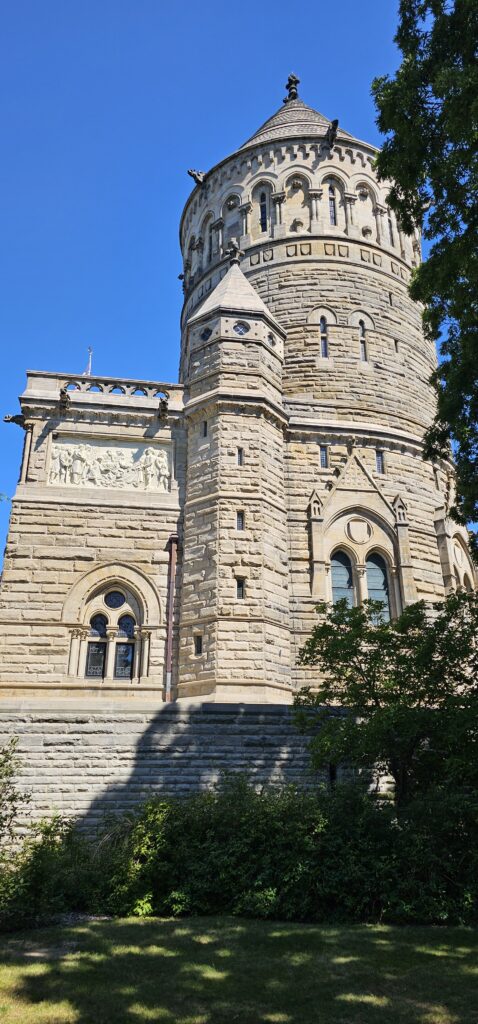
We were heading to Cleveland and the cemetery we had visited the most. There are numerous historic figures and incredible tributes to them that draw us to this location time and again. I was eager to see the Garfield Memorial, as it had finally completed a long renovation project, but I was concerned that it might not be open due to the holiday.
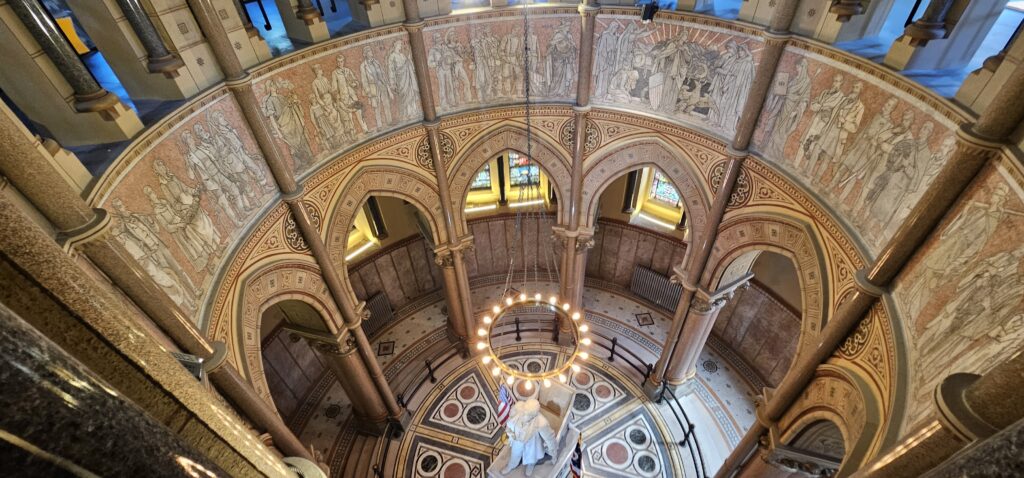
As we approached the memorial to a slain president, I saw cars parked around it. I was delighted that the doors were open, and we could finally enter this place that I had been trying to visit for years.
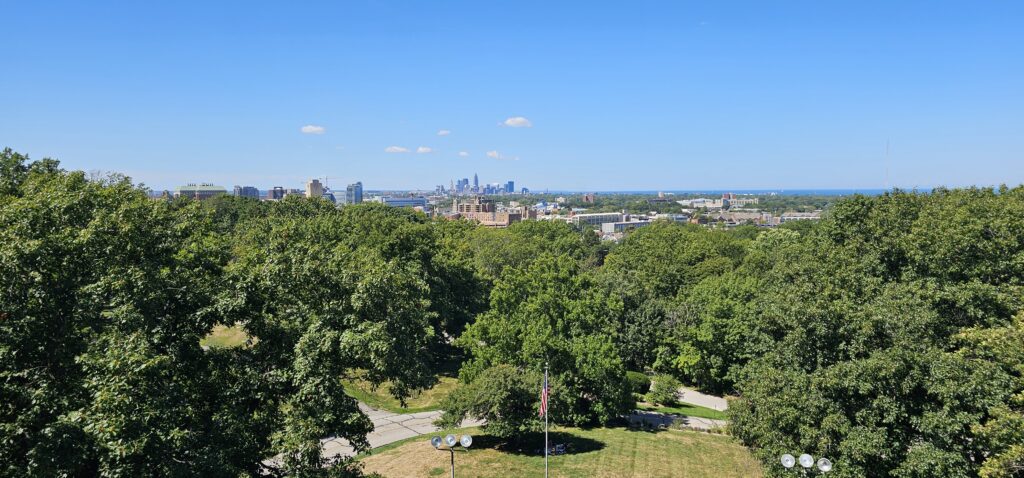
There were a few tour guides, but they were busy, so we explored the place on our own. We climbed a spiral staircase, very much like one in a castle tower. The stairs led us to a viewing deck, where we gazed out at the city of Cleveland.
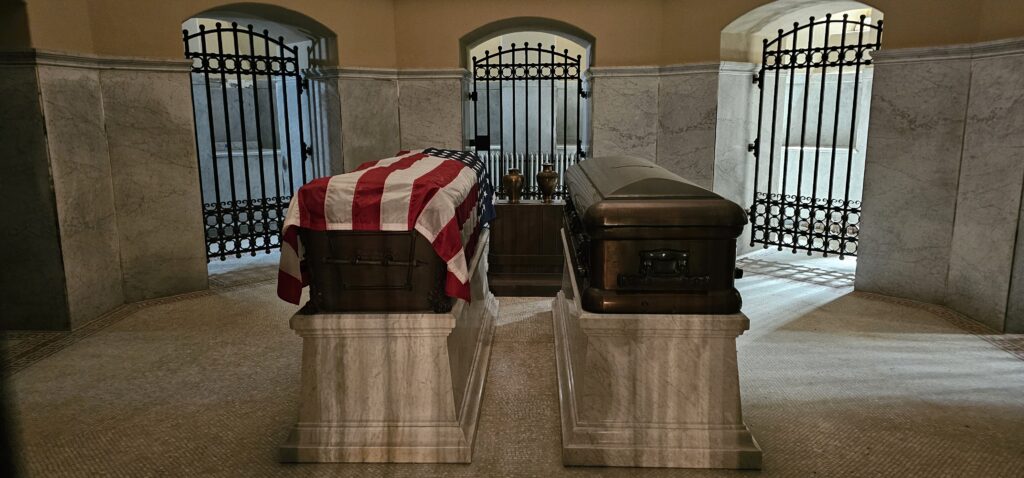
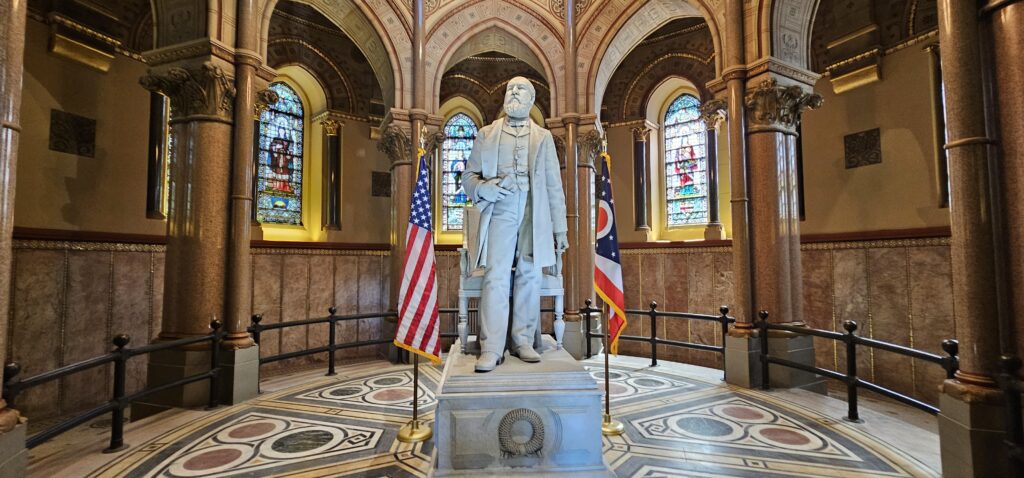
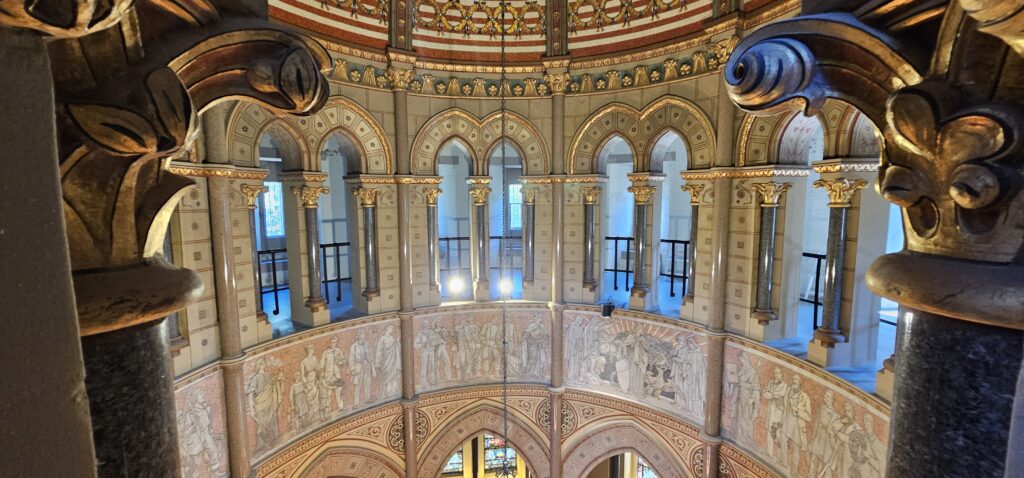
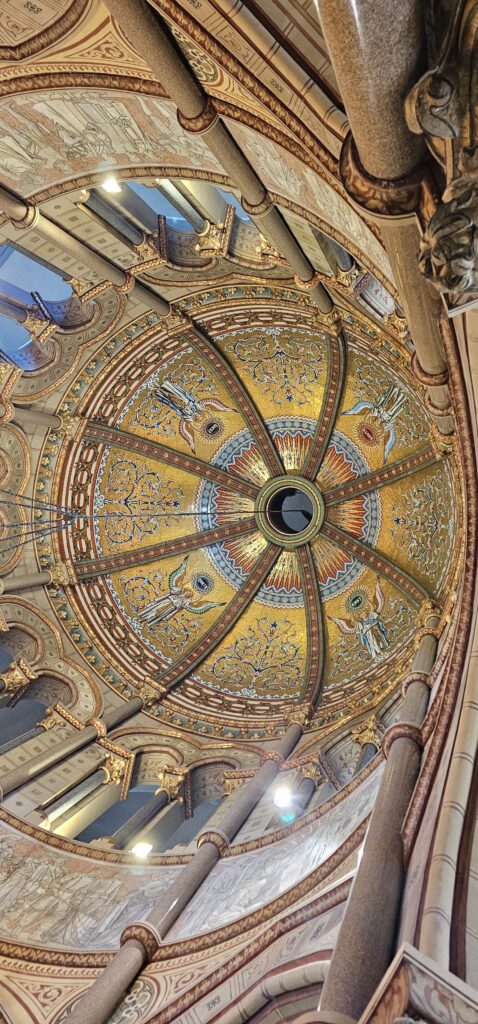
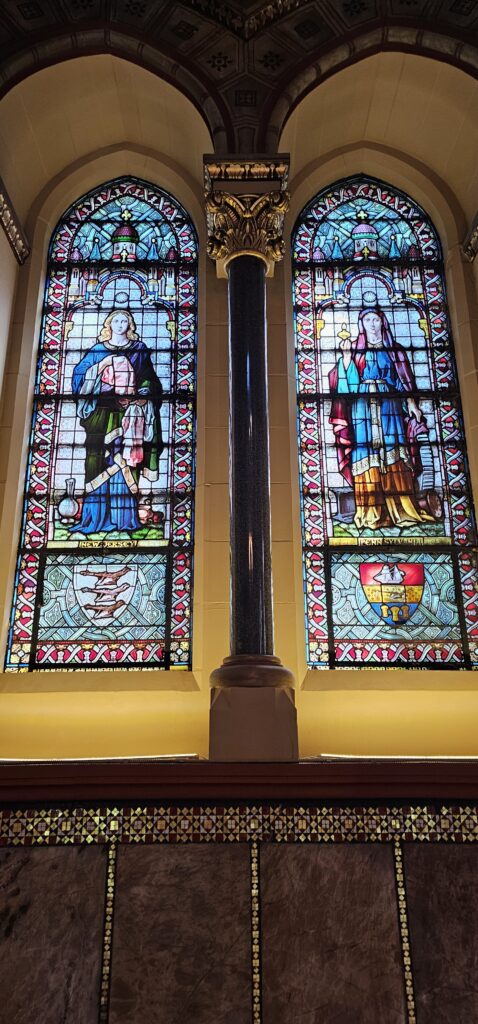
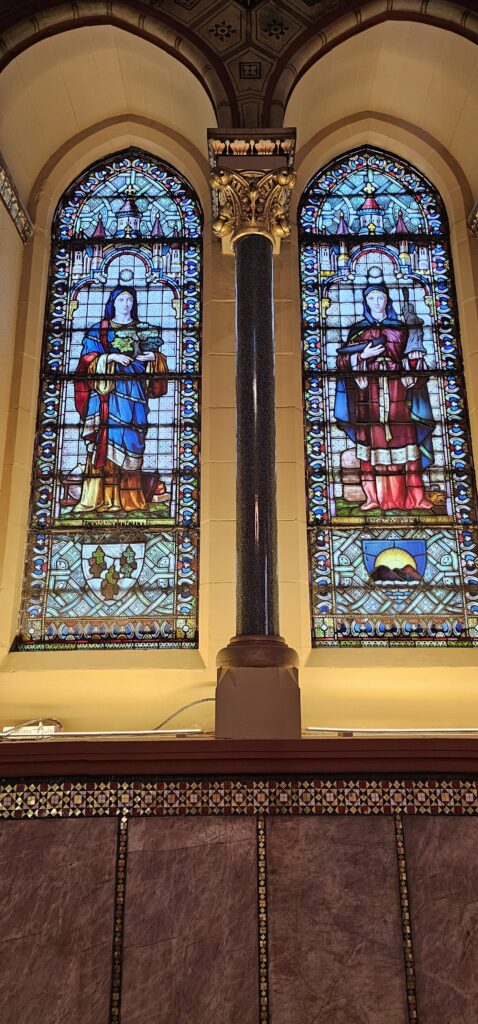
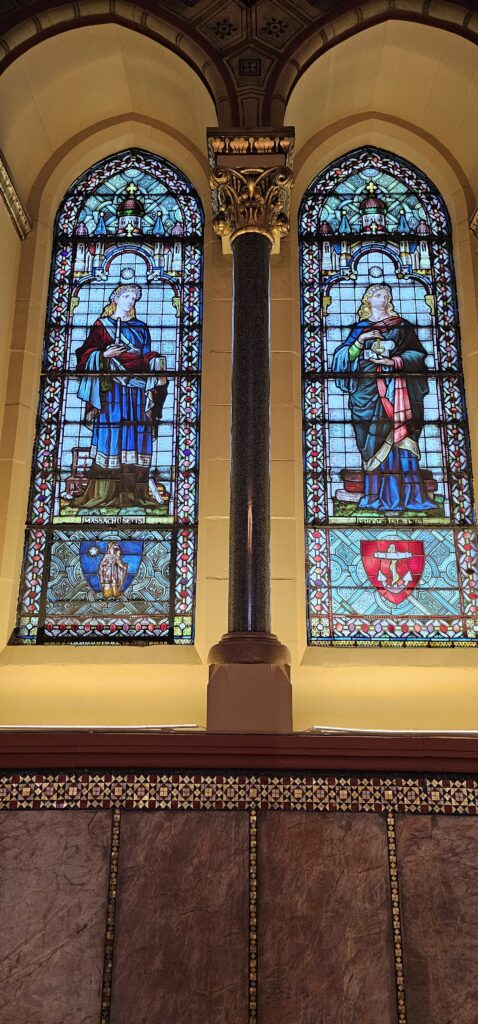
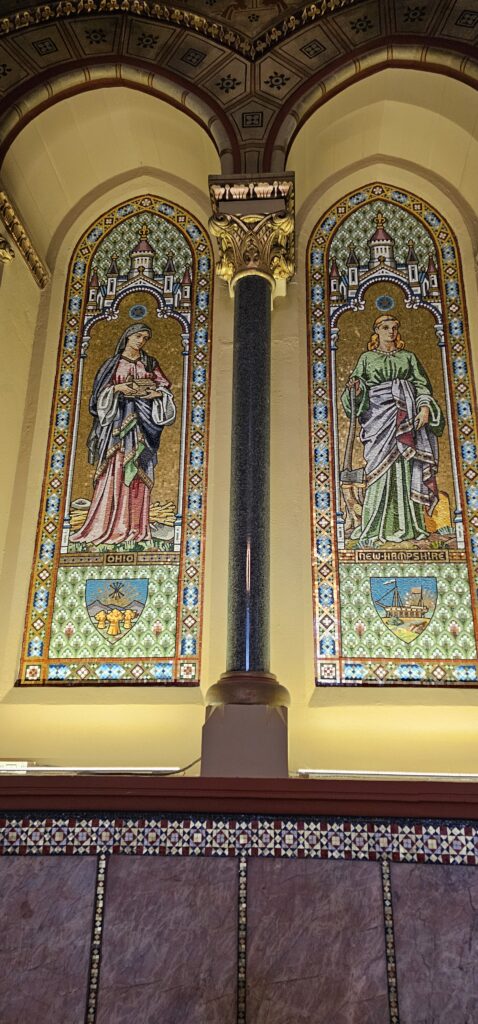
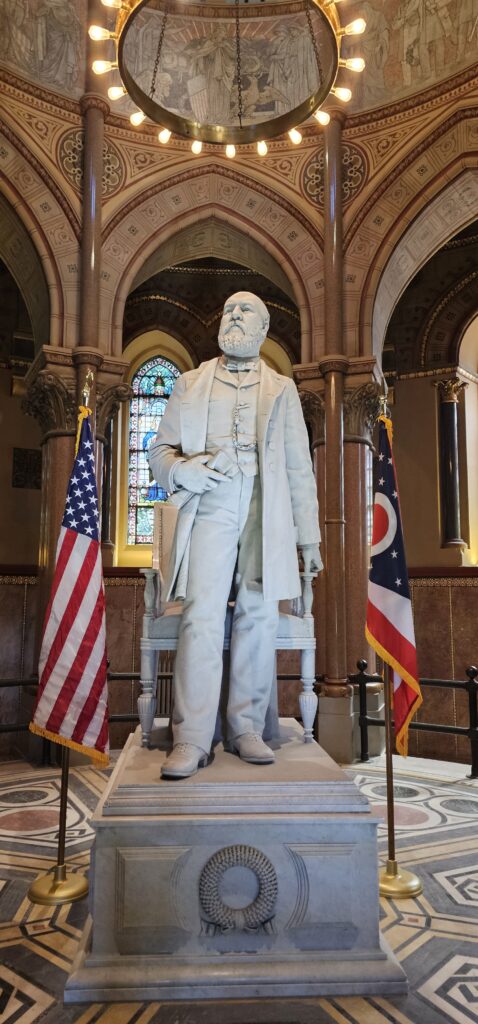
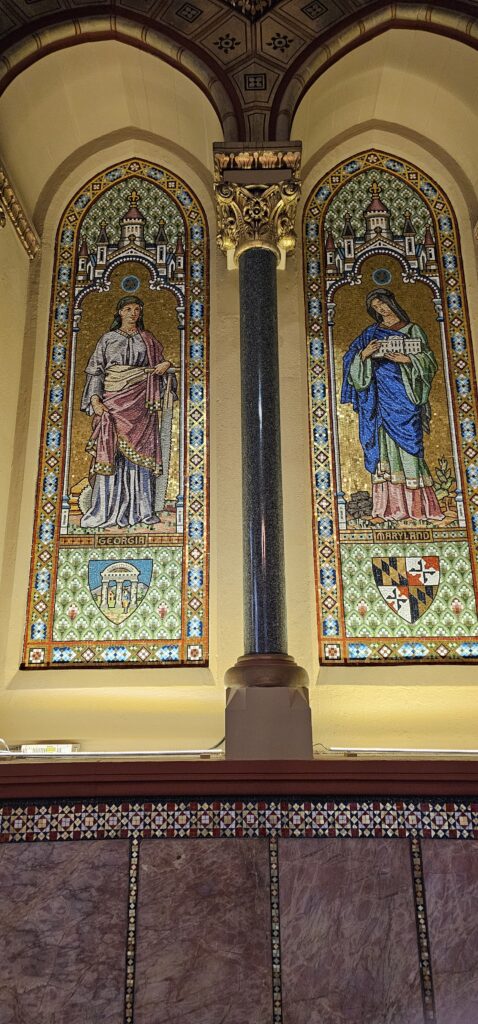
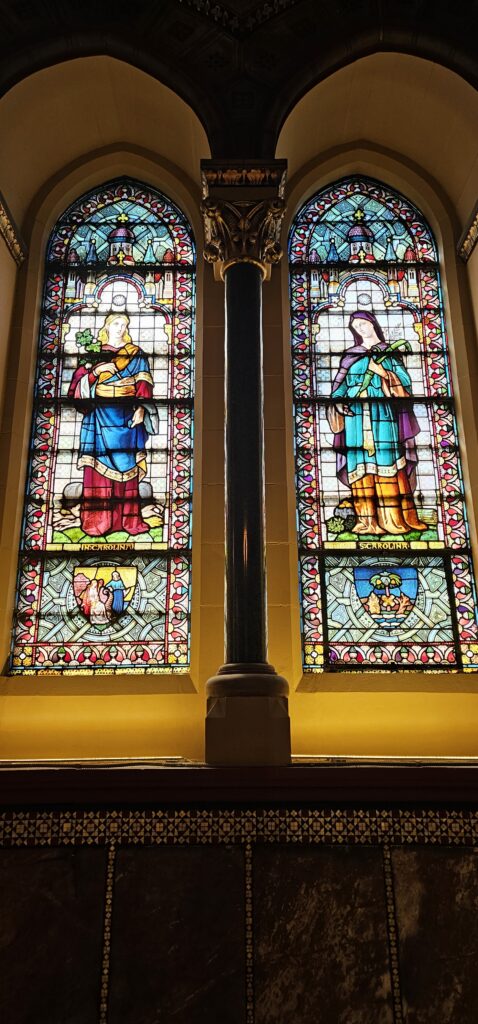
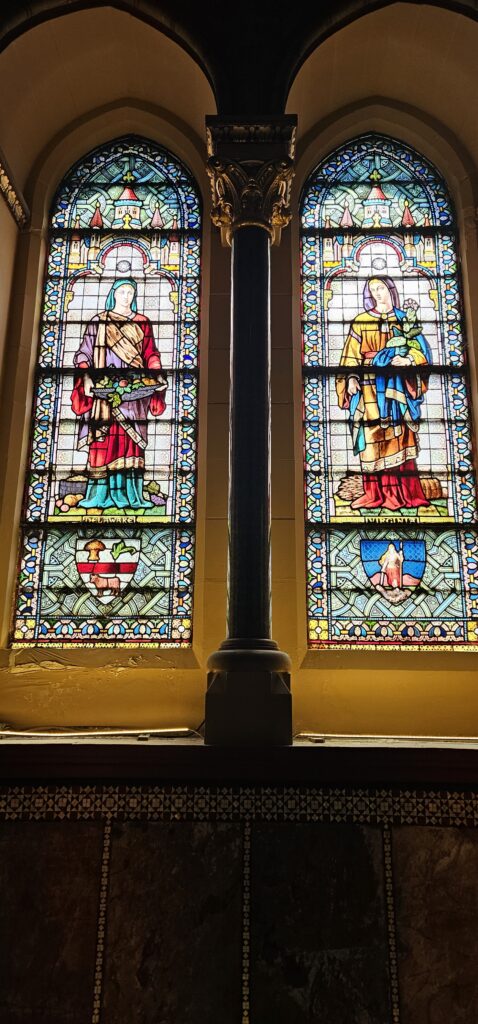
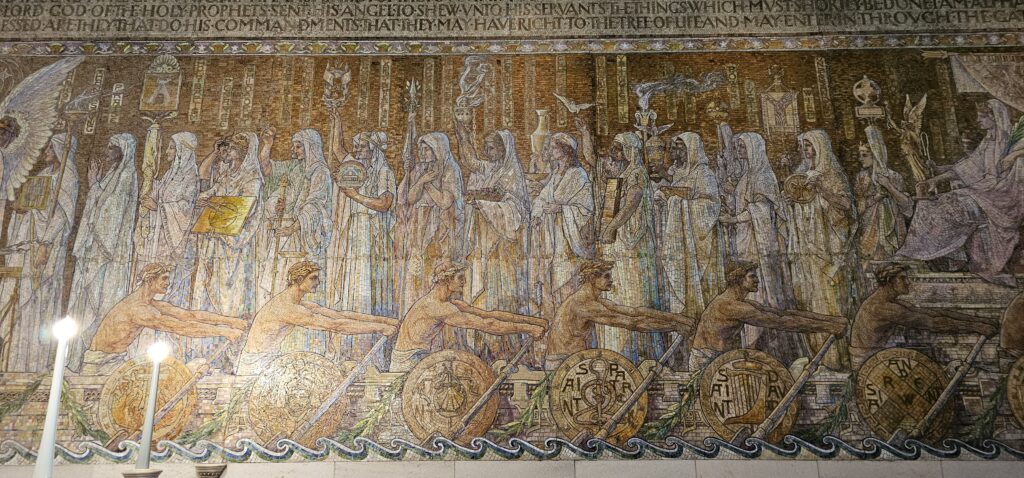
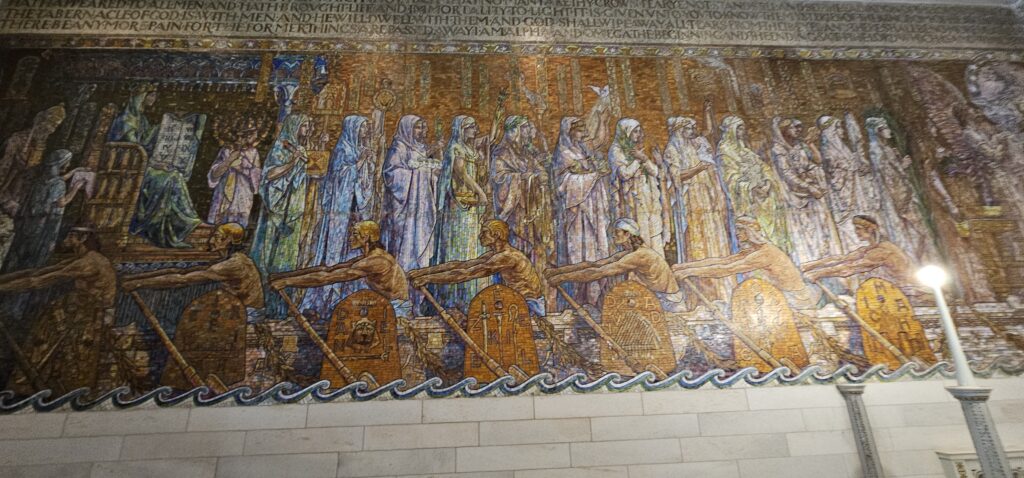
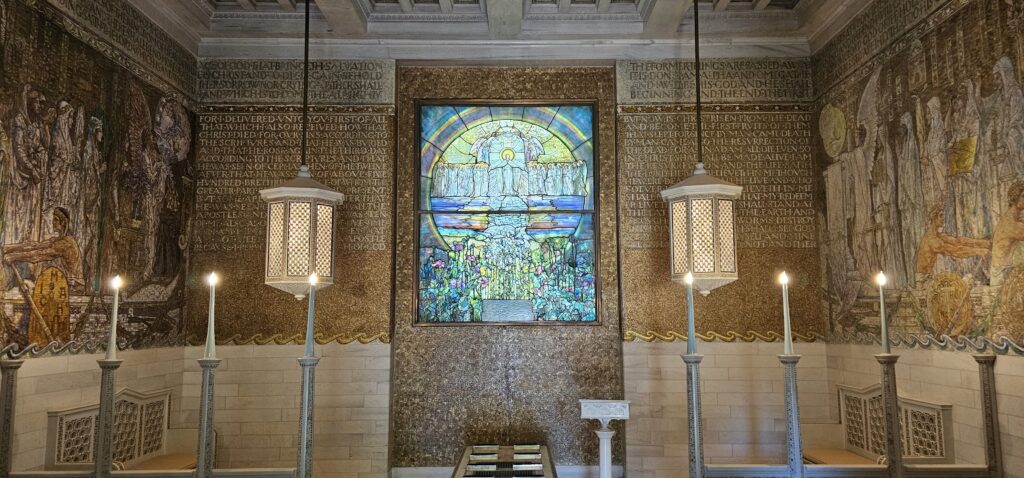
We worked our way to the opposite end of the tower, to the crypt where the President and his wife are laid to rest. This area was considerably less ornate than I was expecting. I would think that the area where the person being honoured is buried would be the most decorated, but it was drab, if not dull. The real masterpiece is on the main floor and is visible to all who first enter the large, cathedral-like tower that remembers a slain president.
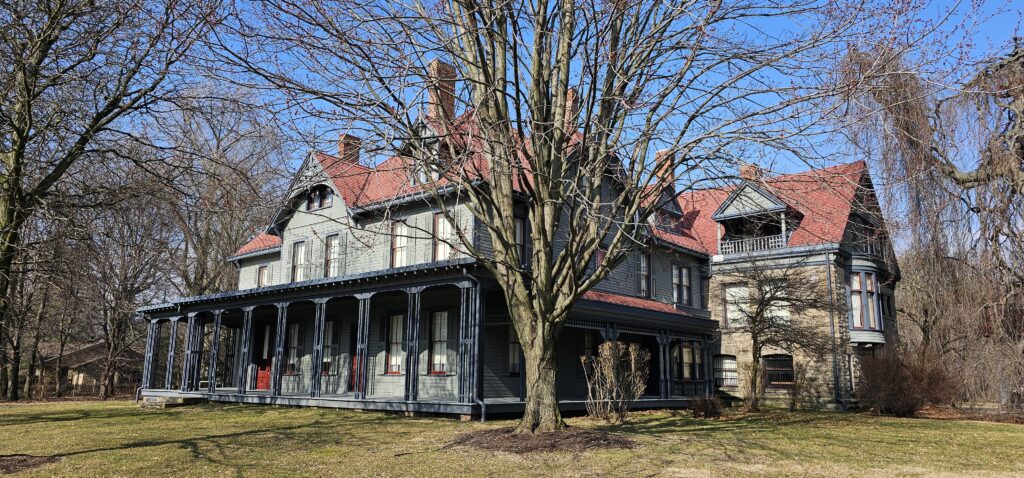
Our first trip of 2024 took us to the James A. Garfield National Historic Site, where we toured the home of the former President. Neither one of us is very affluent in US politics, but I had heard of the name Garfield before. As a youngster, I was confused why a President would be named after a comic cat who loved lasagna. Later, I would learn (to my great disappointment) that neither one of them is related to the other.
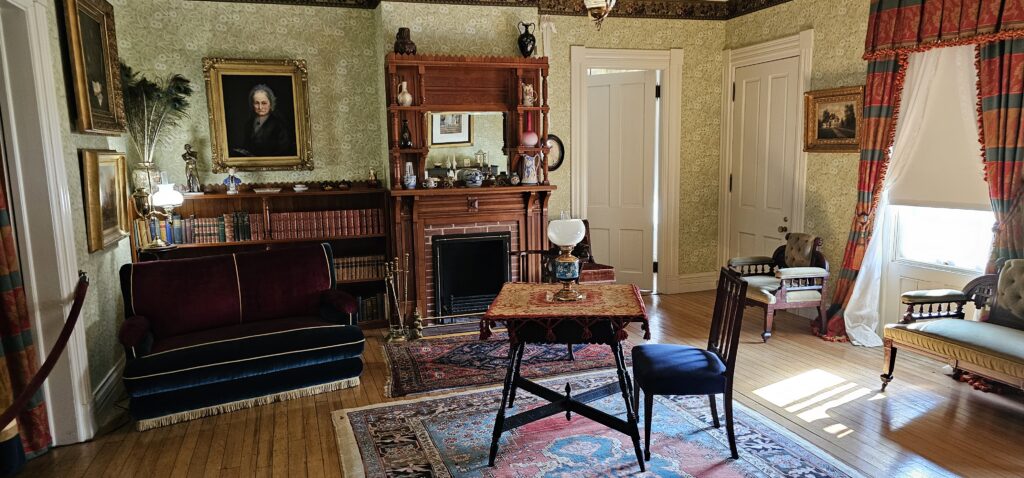
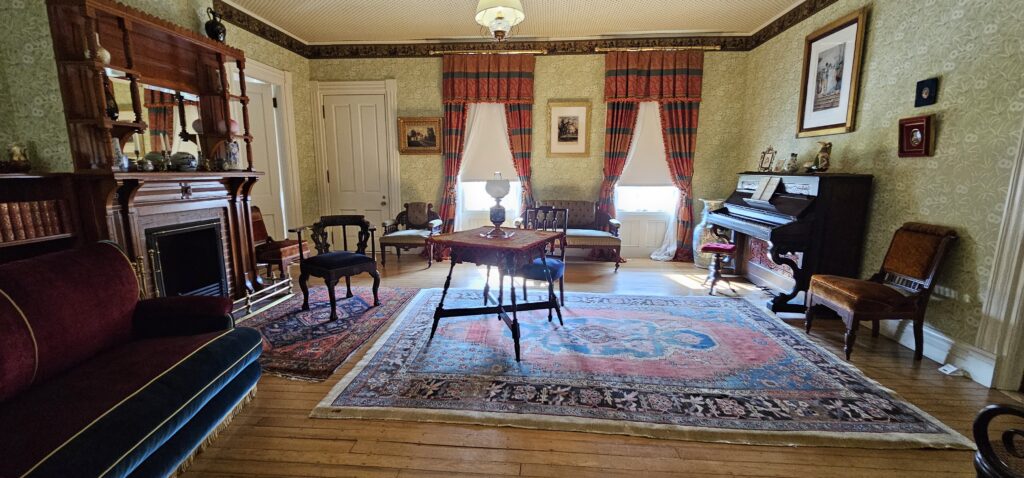
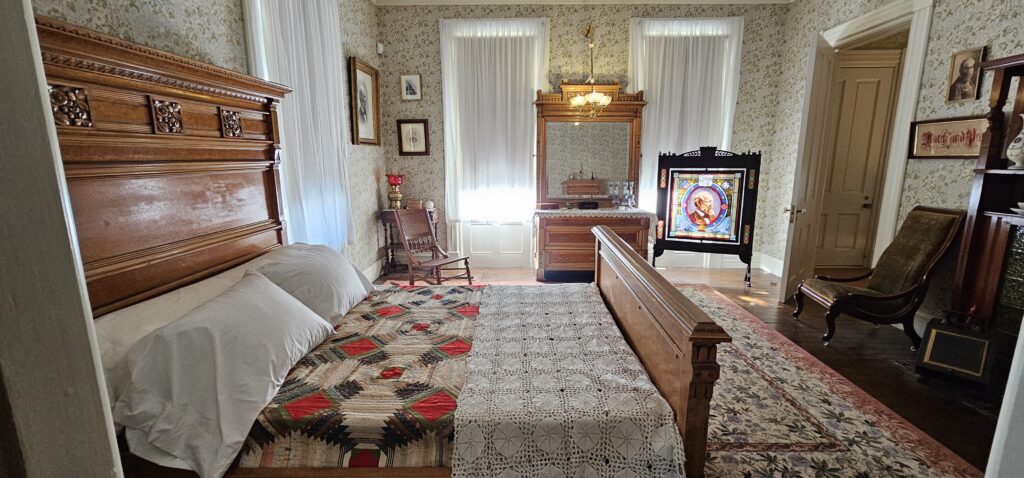
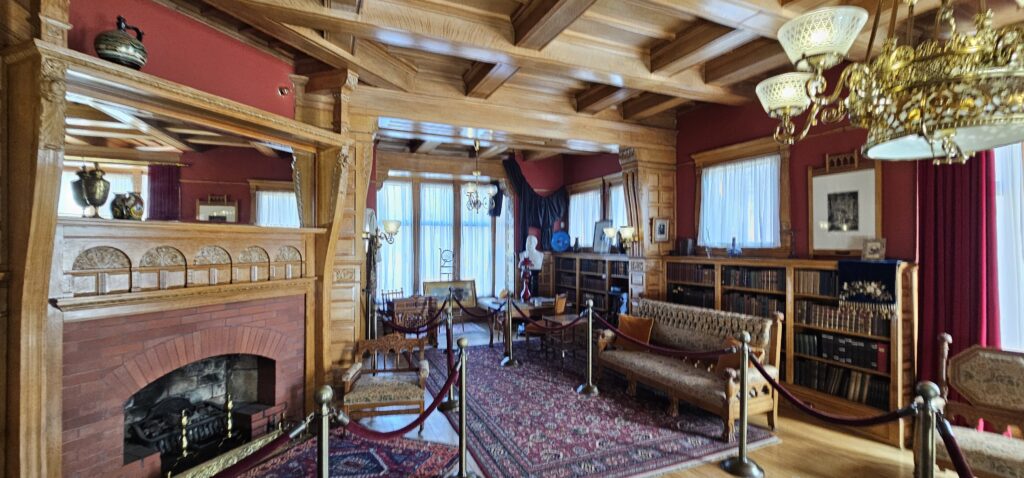
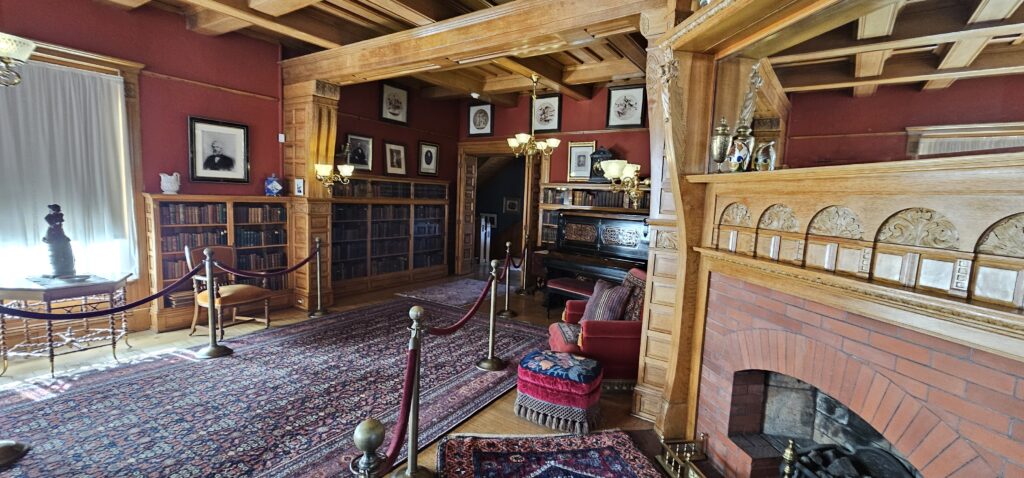
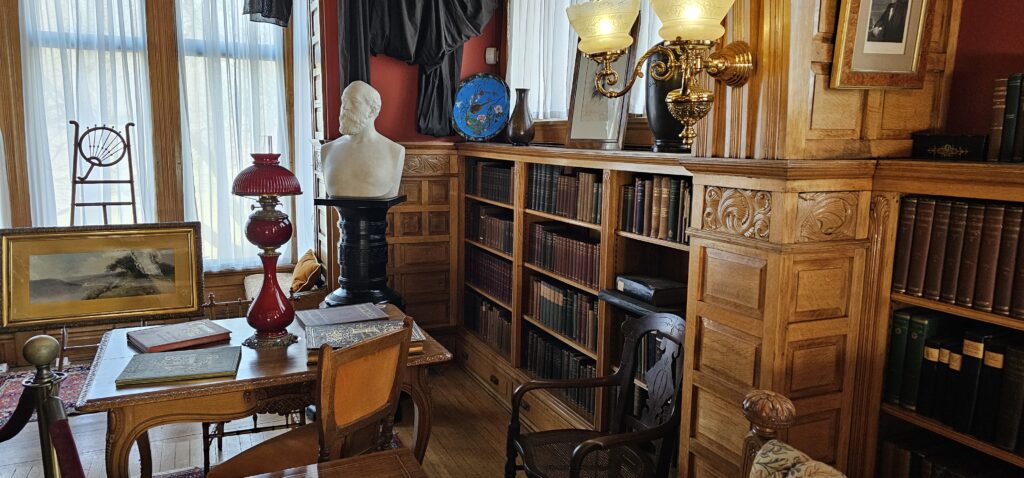
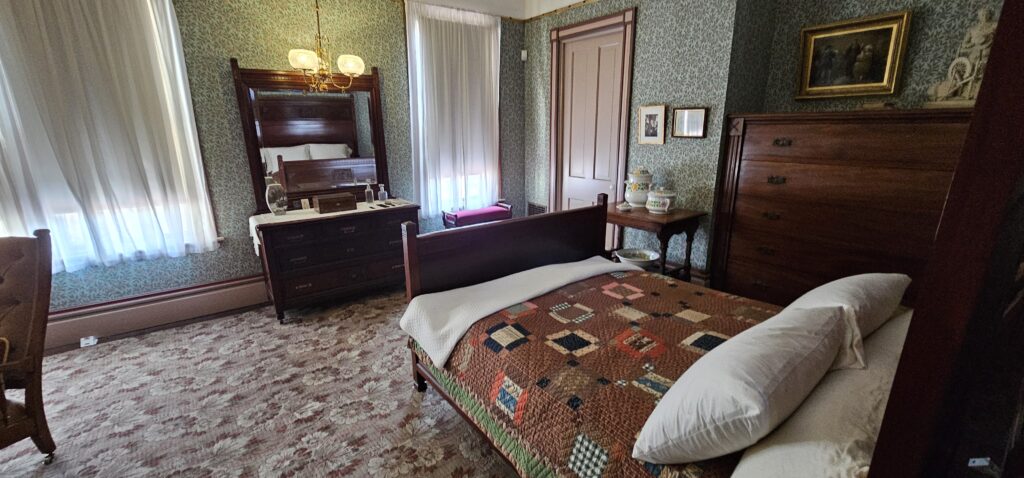
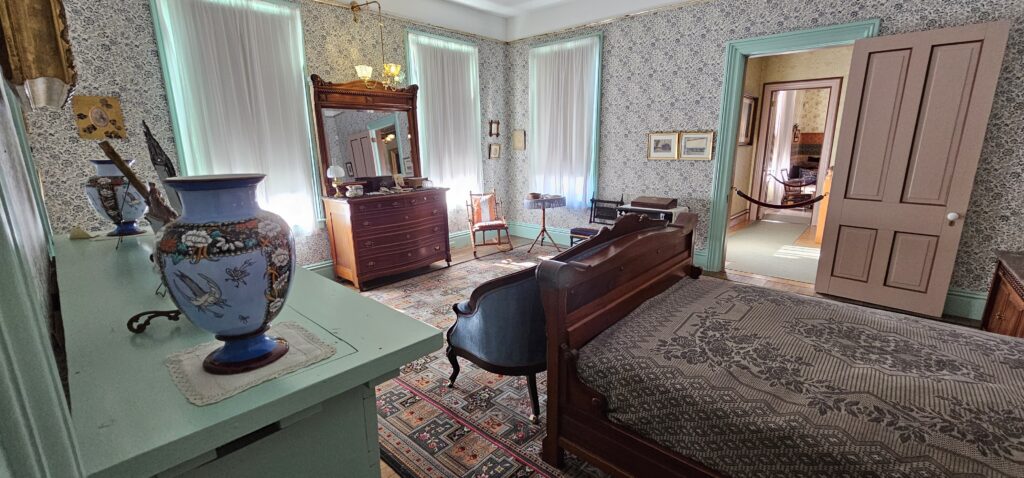
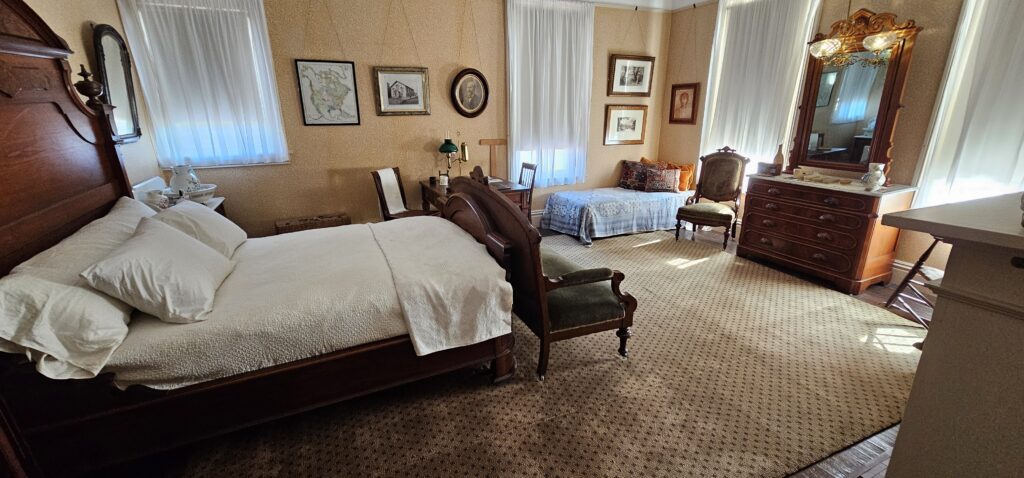
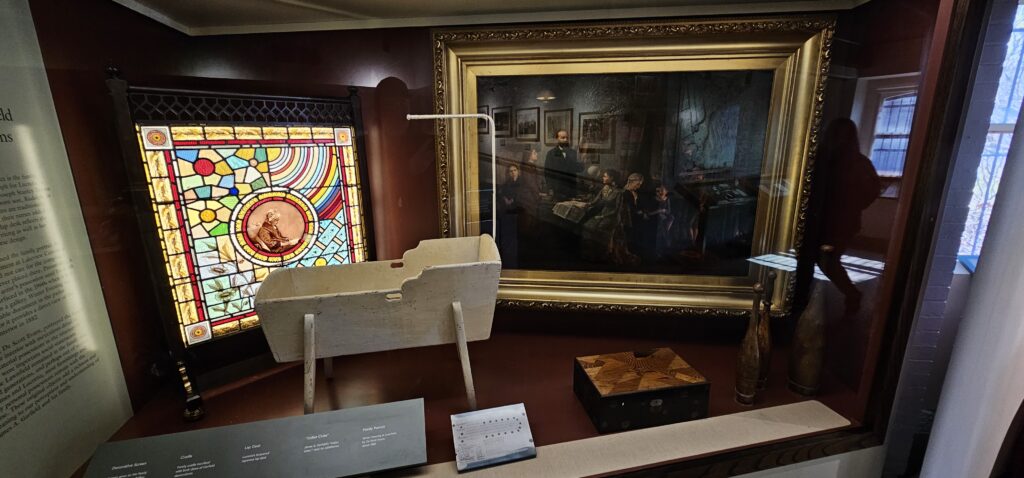
At the National Historic Site, we learned of Garfield’s time serving in the Civil War and his time as a politician. At the site, we toured his home decorated for the time period of when he was running for President and visited a small museum on site that went into further detail about who he was, and the awful way he died.
James A. Garfield was trying to become President and found himself a supporter who turned out to be a nightmare. This supporter thought he had done much of what was needed to get Garfield elected and wanted his reward. Typical for the time period in politics of Garfield’s era, public servant posts were given to Garfield’s favourites. It was more about who you knew, rather than what you know. Charles J. Guiteau would become disappointed that he would not be appointed consul in Paris, or any other position, for that matter.
As time festered, so did the feelings of rejection in Guiteau. He once supported Garfield and now felt that killing Garfield would be the best solution to the spurn he felt. He also had this crazy idea that he would be hailed a national hero when he assassinated the President he no longer supported.
When Lincoln was assassinated, many thought this was a product of the Civil War and that there was no need to have guards protecting the current President. As President, Garfield would publish his daily itinerary, and it would be known where he would be on each day. Charles J. Guiteau used this public information and began to stalk Garfield. Guiteau would lose his nerve a few times, missing out on opportunities to kill the President, but finally got the courage to do his deed. Garfield would be shot in the back and arm when he was in a deep conversation with a fellow politician, and neither one of them noticed the assassin.
Guiteau honestly expected to be considered a hero, but instead, he was executed as a traitor. He used a gun that he had purchased, thinking it would look good in a museum. He shot Garfield twice but did not kill him at first.
Garfield was surprised he was shot. Had this incident happened with today’s medical knowledge, Garfield would have surely survived this assassination. But Garfield would become a victim of ignorance and resistance to change. The President would be seen by many prominent doctors, but not all of them trusted the new concept of antiseptics. These doctors did not trust this new discovery; instead, they used their dirty fingers and soiled tools to look for the bullet in the President’s abdomen. Each time, this had to be an act of torture for Garfield. Eventually, his body was unable to fight off the infections from repeated probing. He suffered.
He suffered for a long time.
A big part of his presidency was during his time recovering from the gunshot. He did what he could to continue in his role as President, but each day, he would find it increasingly difficult. He was shot on July 2, 1881 and died on September 18, 1881.
Charlene and I have been to a few Presidential resting places. Some are nice, others are rather plain, but for Garfield, his memorial is massive. How did a man who was President for only a short time get to have a huge monument in his honour?
Garfield was well-liked, despite having opponents. He was approachable, as evident when he ran for President, allowing anyone to come to his home and ask him questions. He would be famous for his “porch politics”. Additionally, throughout the time he was recovering from the shooting, the newspapers published his progress each day. People became rather invested in his health, and when things went bad, then worse and ultimately to death, it became a national tragedy, greater than if he had died on the spot.
Donations were collected to build a memorial to this much-loved President, and from that, they built this cathedral to a man who barely had any time to serve as the leader of the United States of America. Lake View Cemetery, in Cleveland, is the location of the mausoleum and is a beautiful tribute to a man who served his country. Visiting is free, and the site is open during typical tourist hours.
Also in the same cemetery is Wade Memorial. If the Garfield Monument is open, Wade Memorial will be as well. It is a smaller building and has two very large paintings inside. Tours are also freely given, and it is well worth seeing both.
The James A Garfield National Historic Site is also a free site to visit. Here is the home he lived in on the farm that he operated during his campaign to become President. He would campaign from his porch, spurring the phrase “porch politics.