
I do not believe in ghosts, and oddly, it has been a long time since I posted any ghostly experiences at my home.
For those who follow my personal Facebook account, you will know that I often discuss unusual occurrences in my bedroom, particularly in my bed, where a ghostly woman sometimes takes the place of my wife when Charlene is not present. Because of these otherworldly events, they would be a subject of discussion whenever I visited my parents.
A lot has been said between Charlene, my parents, and me on the matter of ghosts: whether they are real, if they are evil or benign, what to do with them, and how to get rid of them, if I so choose.
On a visit to my parents before we embarked on our big summer trip, America the Beautiful, I mentioned the places we would be visiting. I mentioned that on a particular day, we would be touring two ghost towns.
Charlene has always wanted to visit a ghost town. Whenever we see an abandoned place, she just wants to hop out of the car and explore it. I, being very cautious, never allowing her to check out a derelict building. I am worried about injury (there is a reason why it is leaning to the side), and maybe picking up a trespassing charge. It was not until I found a book on Ontario ghost towns that I started to incorporate visiting long-forgotten places.
Unfortunately, there are no true ghost towns in Ontario. The book took us to places that were either completely gone, where all the buildings no longer existed, and then it explained why the town had failed and was abandoned. Or it took us to areas that were once thriving, but today, there is only a building or two left. All of this is interesting, but it is not the ghost town that one conjures up in their imagination when one thinks of the phrase “ghost town.”
However, on that day, when I was discussing our upcoming trip and how we would be visiting two ghost towns in one day, my mother became incredibly concerned. Panic flooded her face. She had thought we were going to see a town that was haunted by ghosts.
“No, no, no, not that,” I reassured. I informed Mom what a ghost town meant and added that it was located at the top of a mountain, on a long, twisting road that I am not sure I can drive on. The look of panic was replaced with concern. Concern, which I ignored because I was determined to visit these places.
Both of the ghost towns we were visiting are now tourist attractions. Even though there are admission fees, gift shops, and many people touring the town, these places remain in their original locations. Unlike heritage villages, where buildings are relocated to a single location, each of the remaining buildings in these towns remains in the place where they were originally built.
Garnet Ghost Town was our first one of the day. This is the one where I spent some time researching how to get there. On one side of the mountain is a well-maintained road that winds its way up to the top. On the other hand, the side that sounds like so much fun is what I liken to being more of a trail than a road. As much as I wanted to travel down the gulch, I decided it was not worth the risk. I would stick to the nice, wide, smooth roadway to and from Garnet.
Getting up to Garnet was impressive. We clearly were driving up a mountain. The views we could see were enough to stop and look. The road was wide and smooth, made of gravel. We even came across a few cattle. Where we live, there are never free-ranging cows, especially on the roads. Along the way were a few small stops to get us out of the car, including an old, probably once forgotten, cemetery.
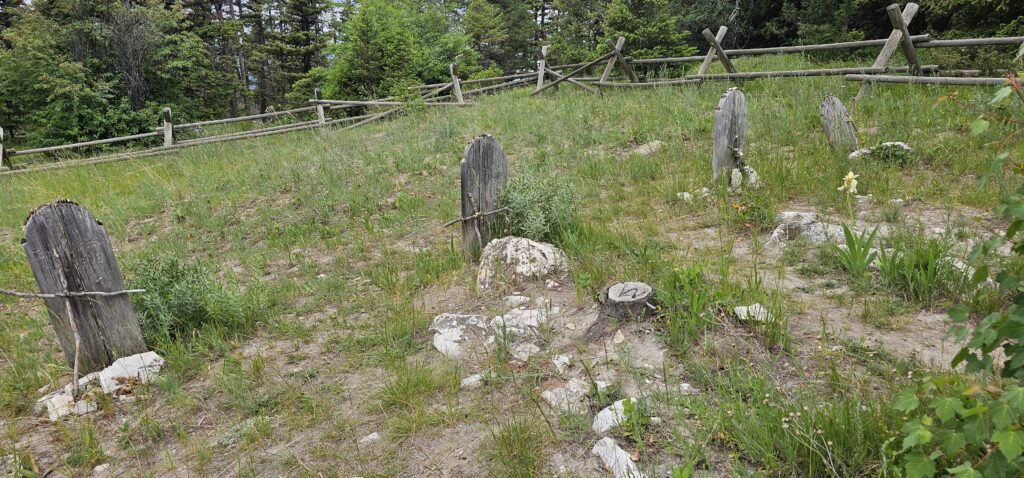
This cemetery is located on the side of the road and can be easily missed. There is signage, but it fails to give more details on those who are buried here. The reason is that there is no way to find out more information about these miners who died trying to strike it rich. The cemetery is maintained, and the wooden headstones appear to be replaced regularly.
Garnet was founded on the hopes of becoming rich. Gold was discovered in the area, and people would flock here in the hopes of leading a better life. As with all gold rush places, there were only a few lucky ones, and many others who wanted to help lighten the load of the newly rich by taking their wealth in one form or another. Not all the buildings in this town remain, but those that do are well-maintained, and there are information panels on the buildings and the people who lived there.
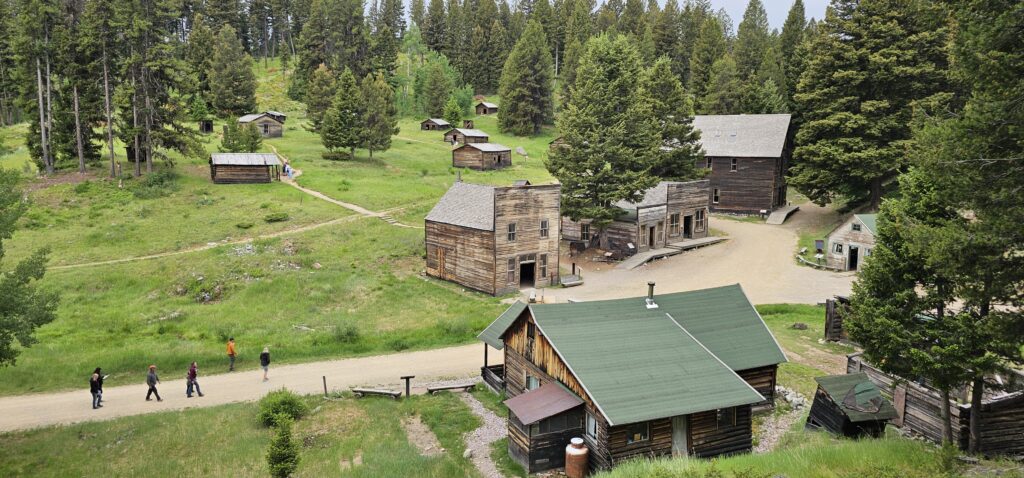
Like all places, it is best to take one’s time in exploring. A lot can be missed when rushing through. We saw this rush by a few tourists. Why travel up the mountain just to race through the village? We took our time, imagining the sights, sounds, and smells of this place. Today, the forest surrounds, but then, all the trees would have been cleared, and mines and men working in those mines were only a minute or two walk from the town’s edge. It would have been noisy, reeked of coal and other fumes, and the mud would have been everywhere.
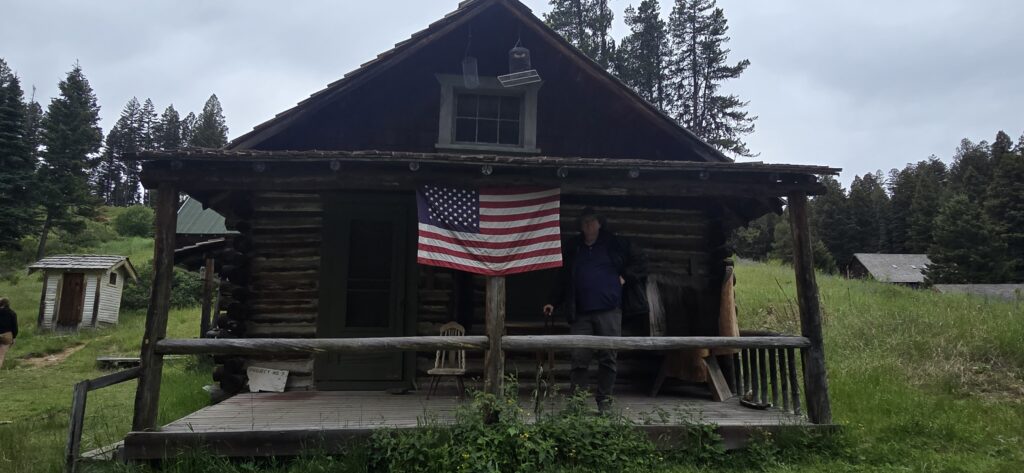
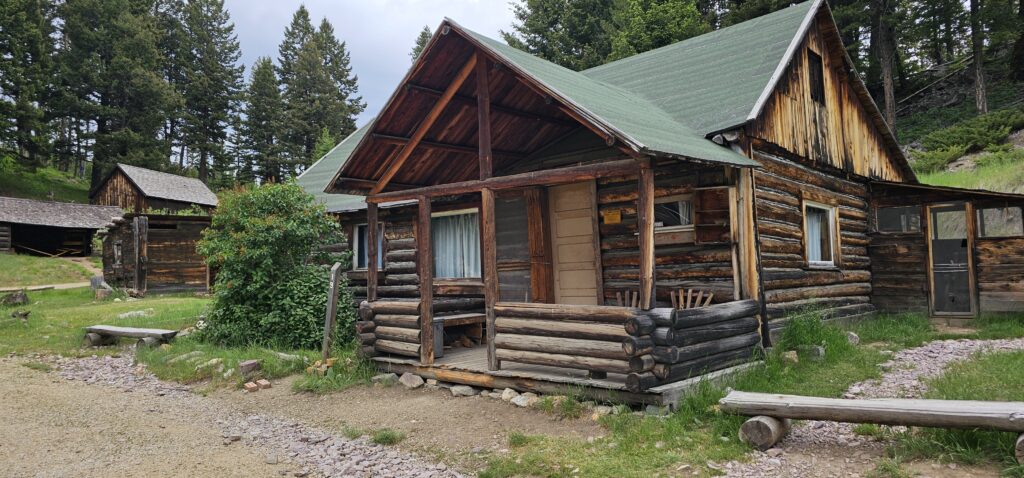
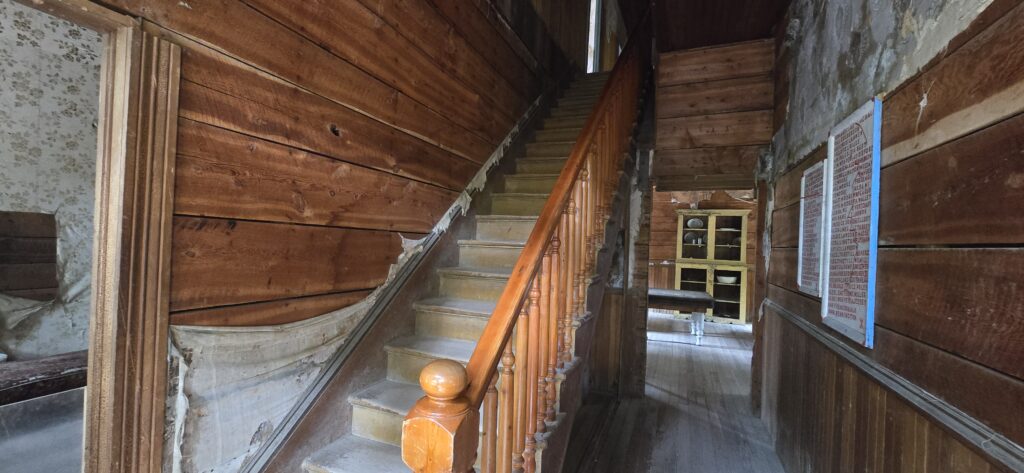
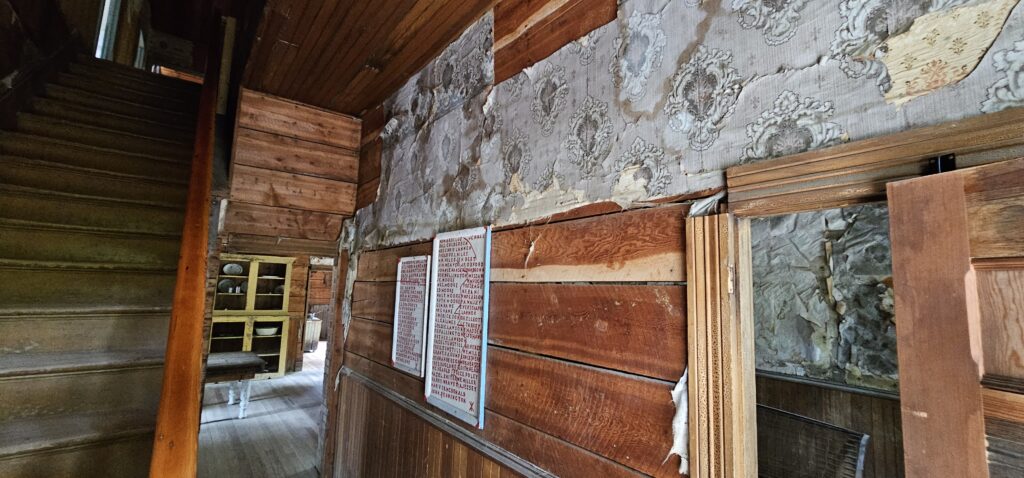
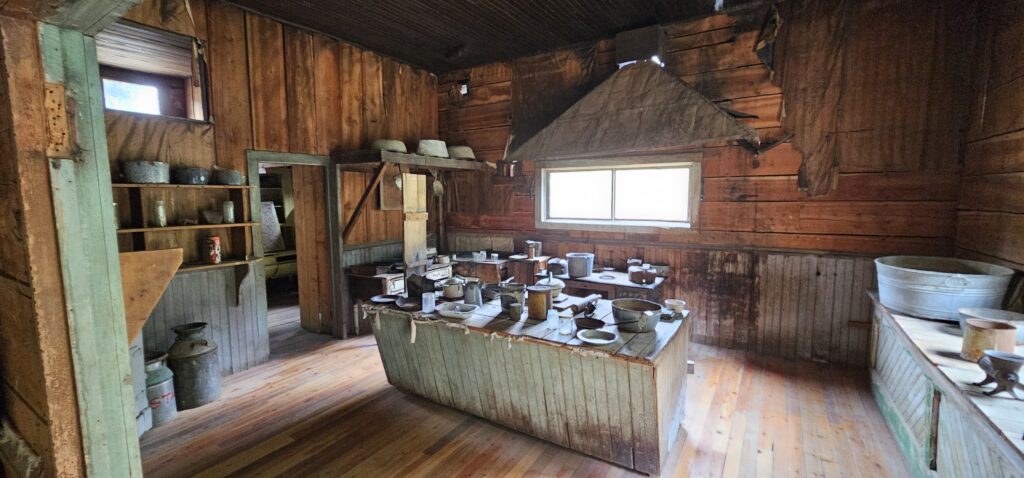
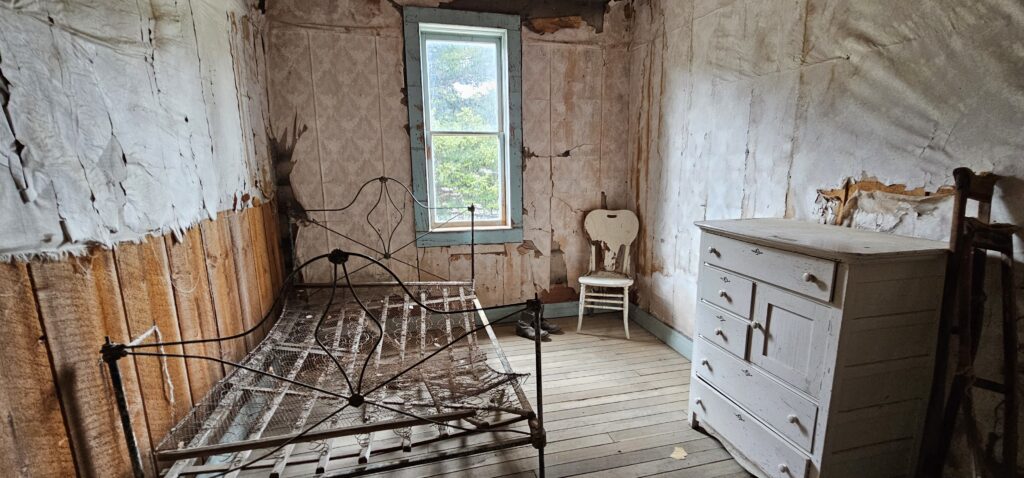
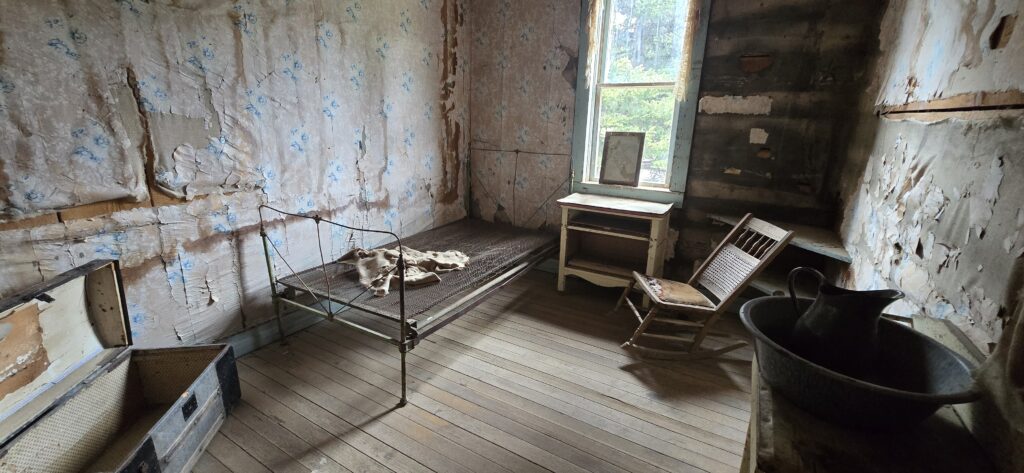
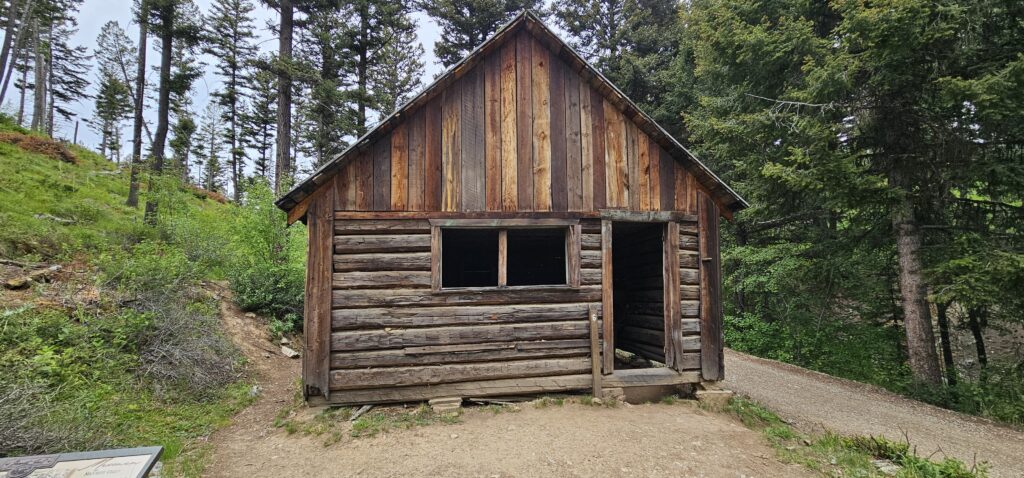
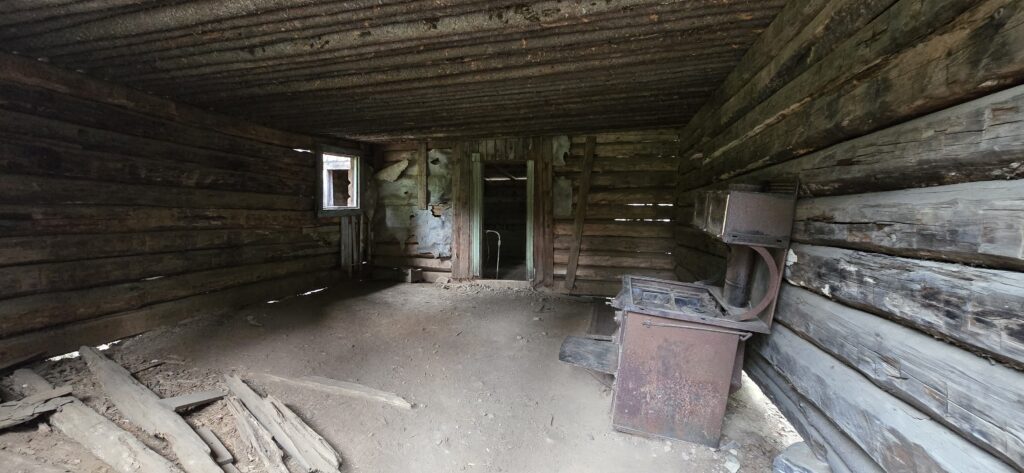
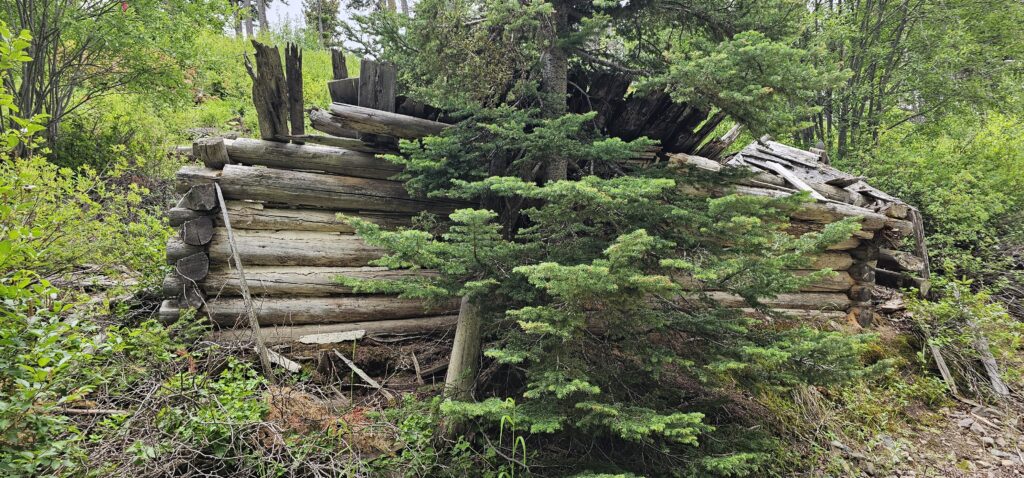
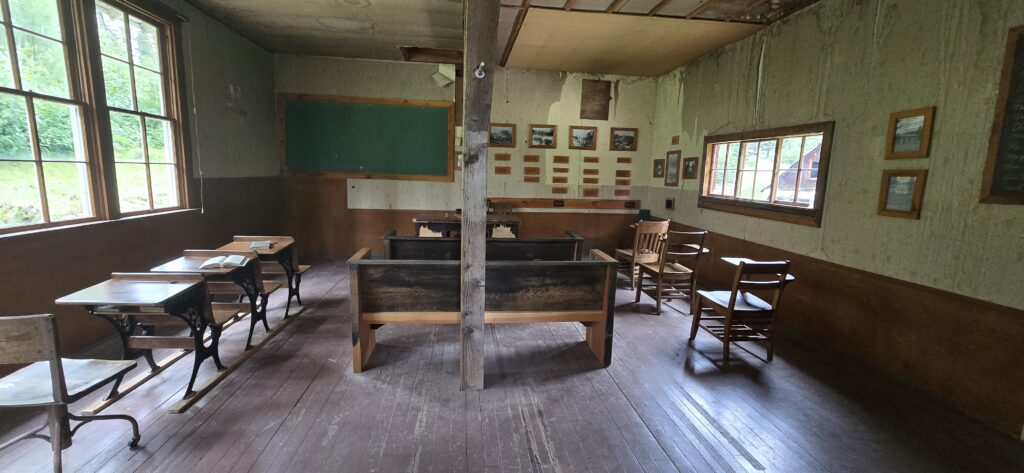
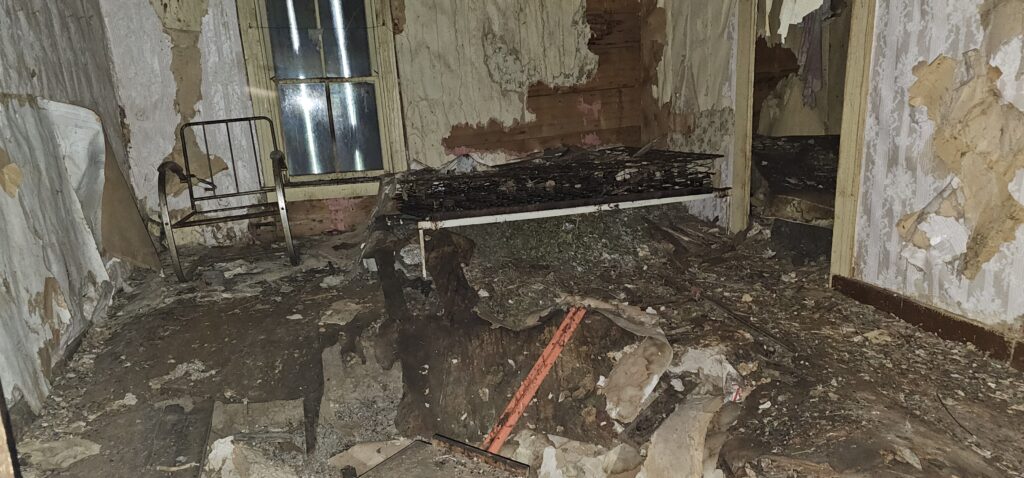
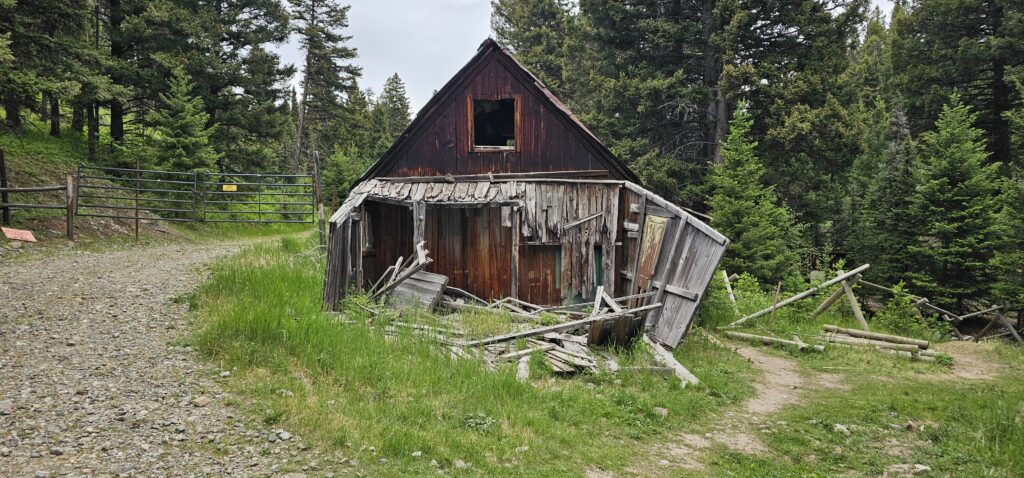
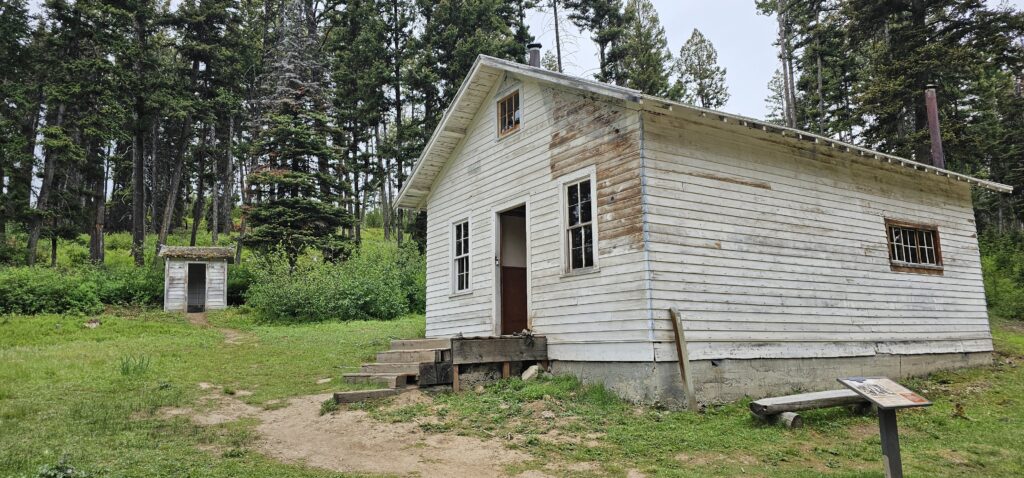
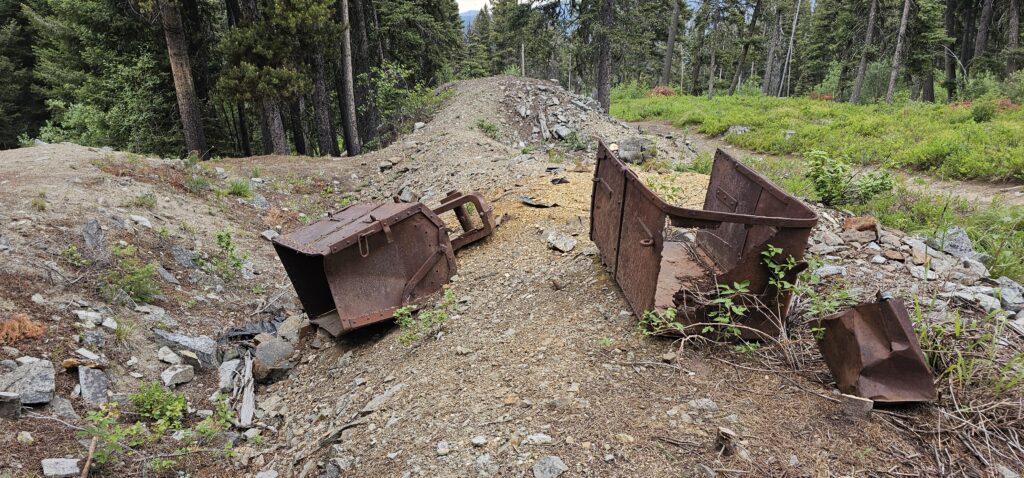
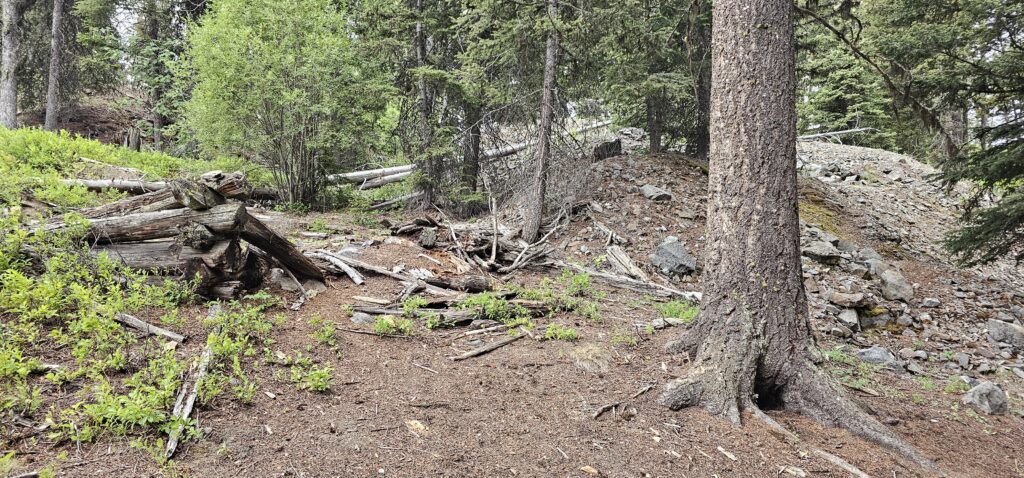
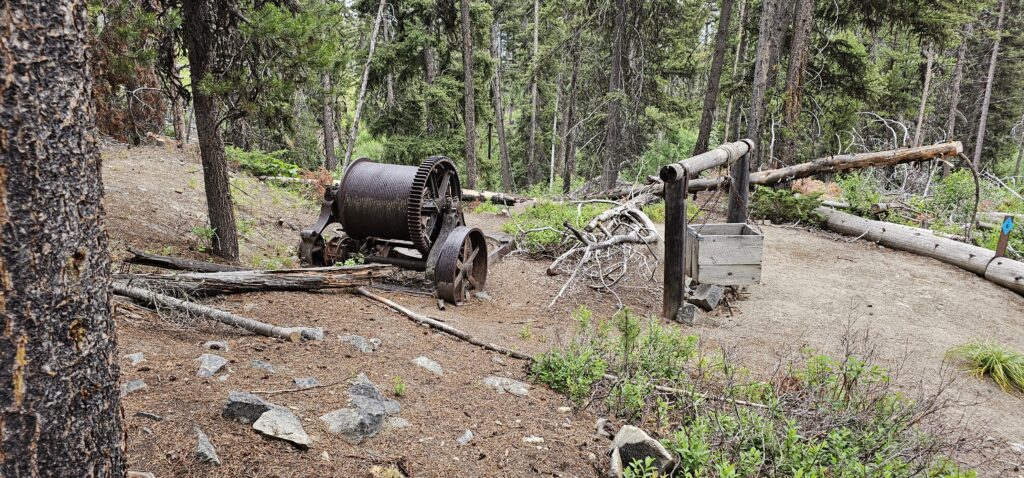
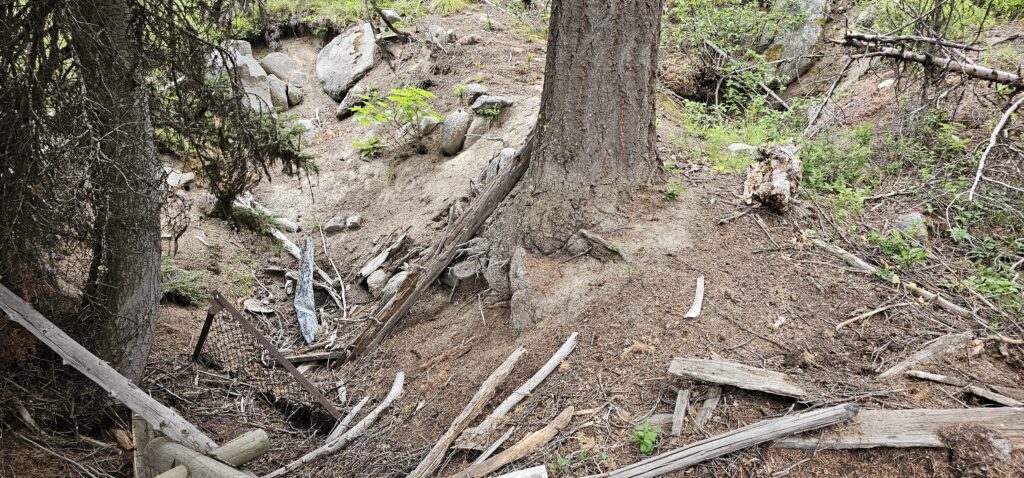
We hiked a couple of trails and learned about and saw various mining techniques. I couldn’t imagine how much effort it took to earn a few dollars. I would have given up within an hour of arriving. As we continued the hike, it became apparent that a beetle infestation had devastated the forest, raising concerns about the large amount of dead material that could catch fire. A few times, whether in an information panel or a pamphlet, the site expresses concern about a forest fire, acknowledging that a fire will inevitably occur one day and destroy what remains of Garnet.
Our next ghost town was Bannack. Although not on a mountain, it had an even more remote feel to it than Garnet. As we drove there, it seemed like we were getting farther and farther from civilization. Cell service ended, and the number of cars and buildings dropped drastically. How anyone found gold here is a mystery. The bigger mystery is how others found their way to Bannack in the hope of becoming rich.
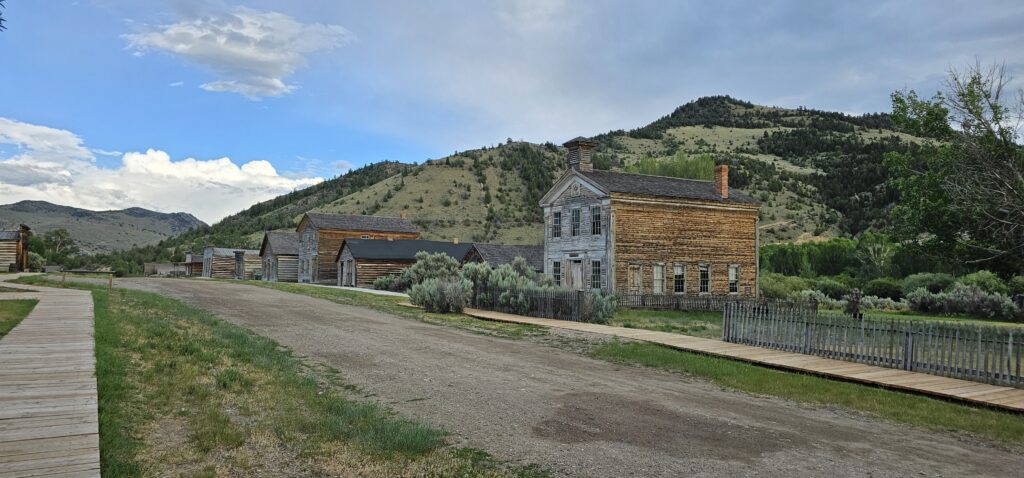
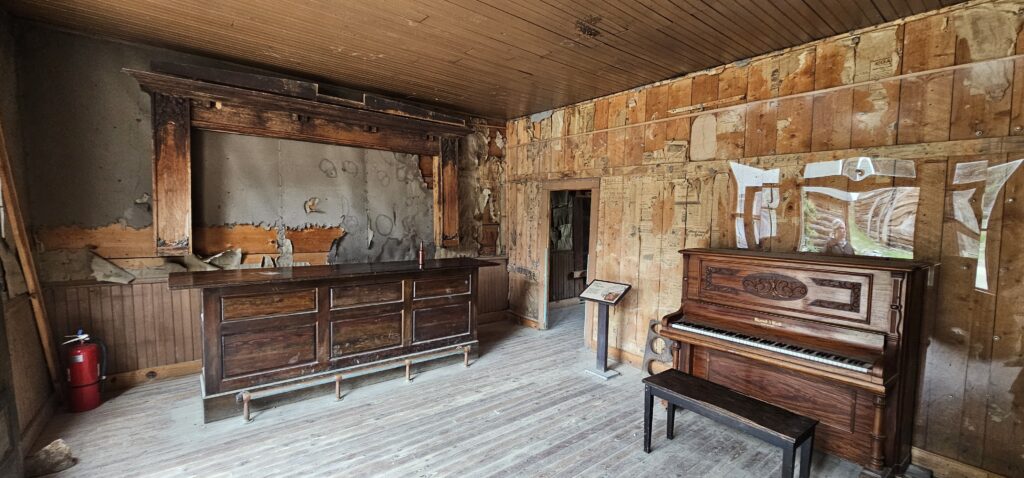
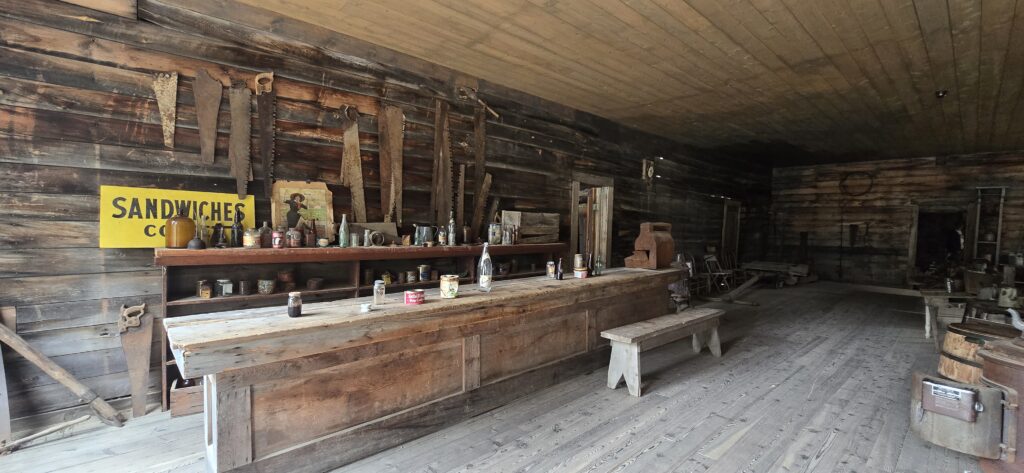
This ghost town is now a state park, and we had a campsite reserved for us. After setting up camp and eating, we toured the nearly 50 buildings. The Main Street of Bannack is open for exploration until 8:00 PM in the summer. We were well within this time when we started. Had we come earlier in the day, there would have been tours, guides, staff and some of the other buildings open, but it is still very interesting to tour the buildings at our own place. For the most part, we had the town to ourselves. There were only two other families in town.
We spent over two hours touring Main Street. We had not had the time to check out the place for public hangings, nor did we get to explore the cemetery on top of the hill. There was a ranger waiting at the gate to lock up the buildings. It was at this point that we learned more about Bannack, which I had missed by not being in the park during regular operating hours.
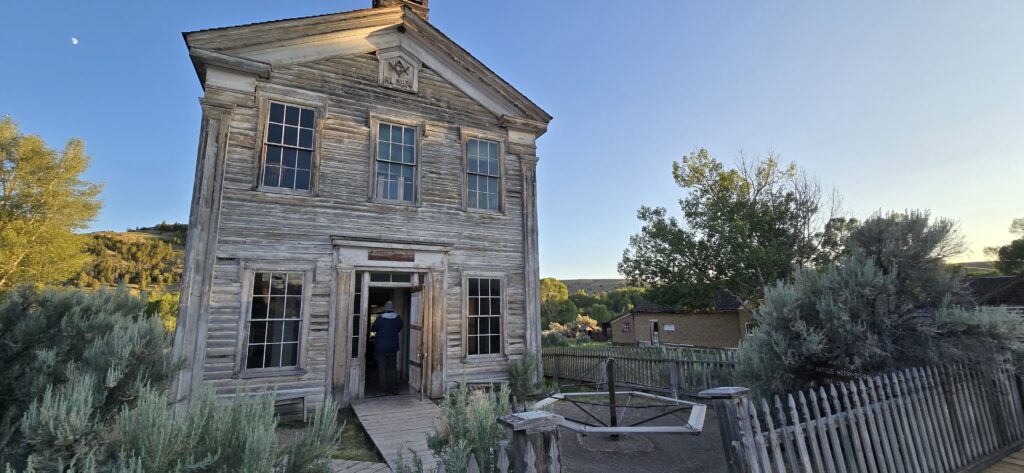
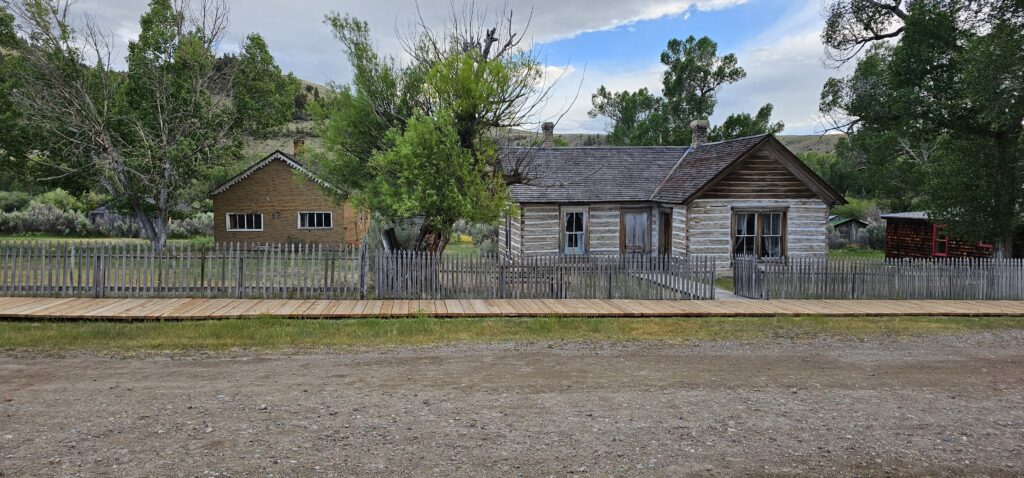
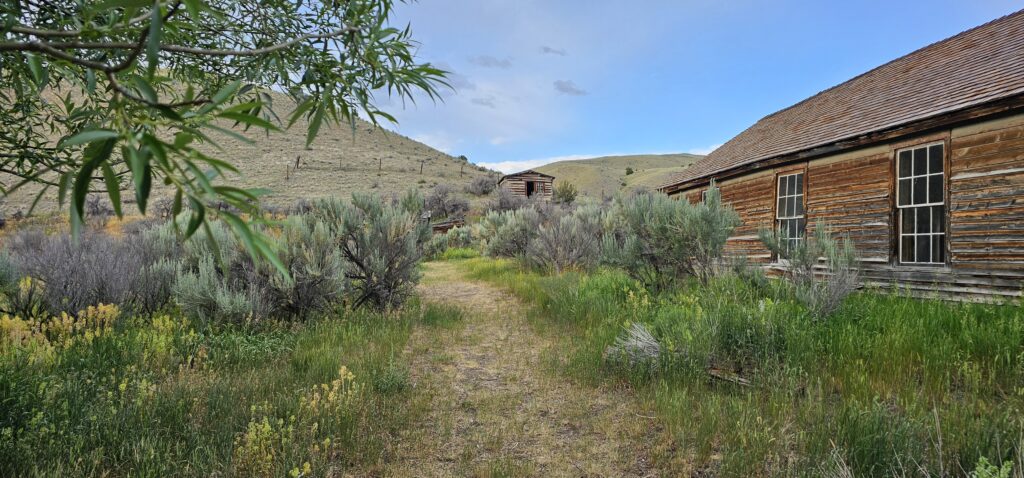
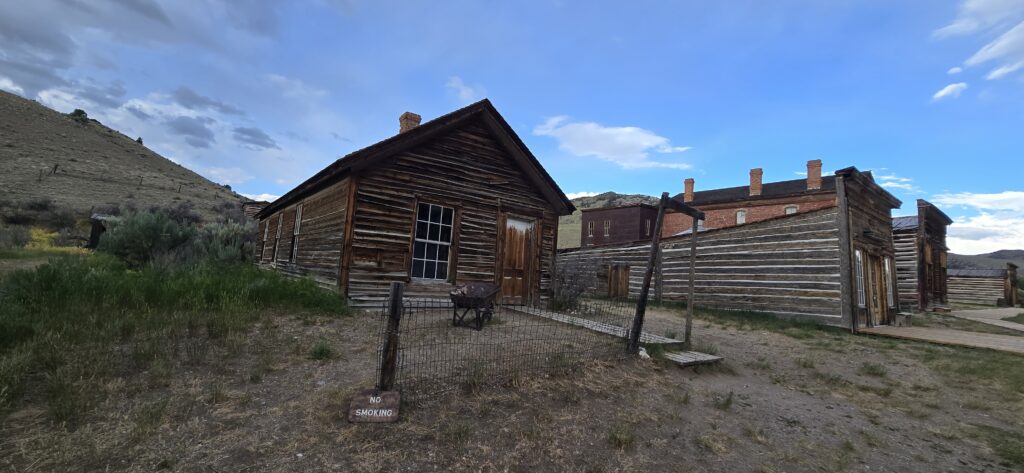
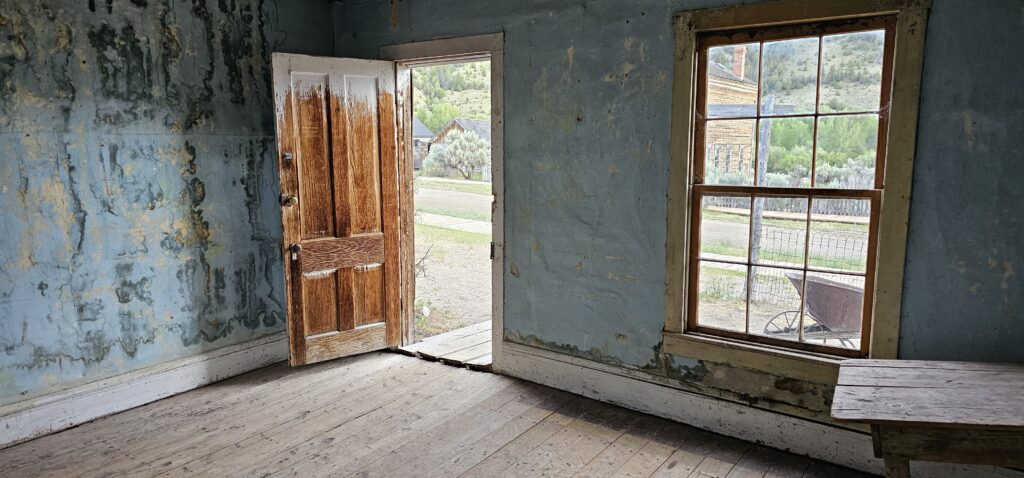
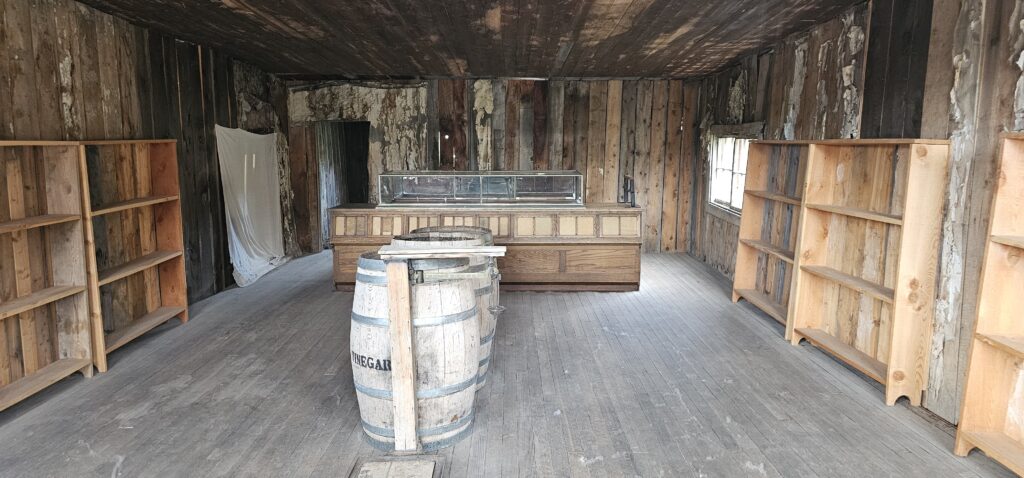
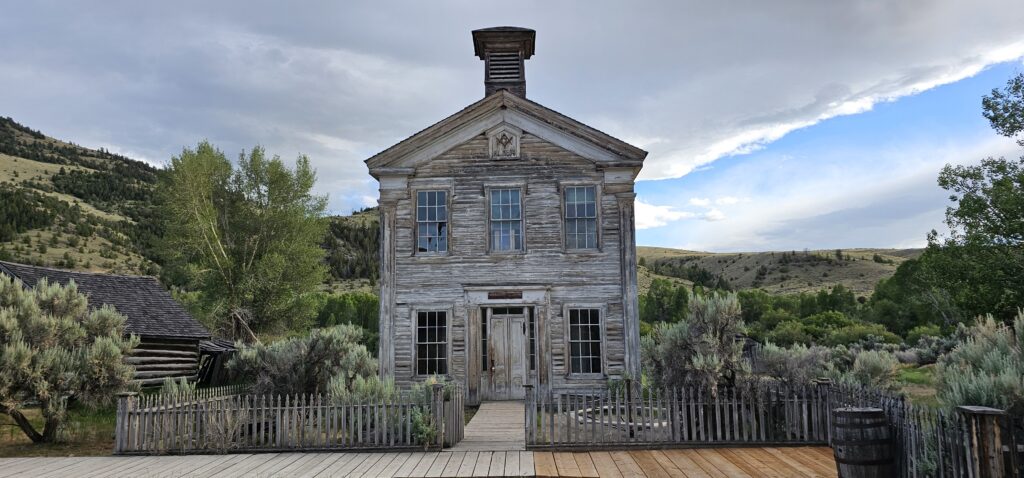
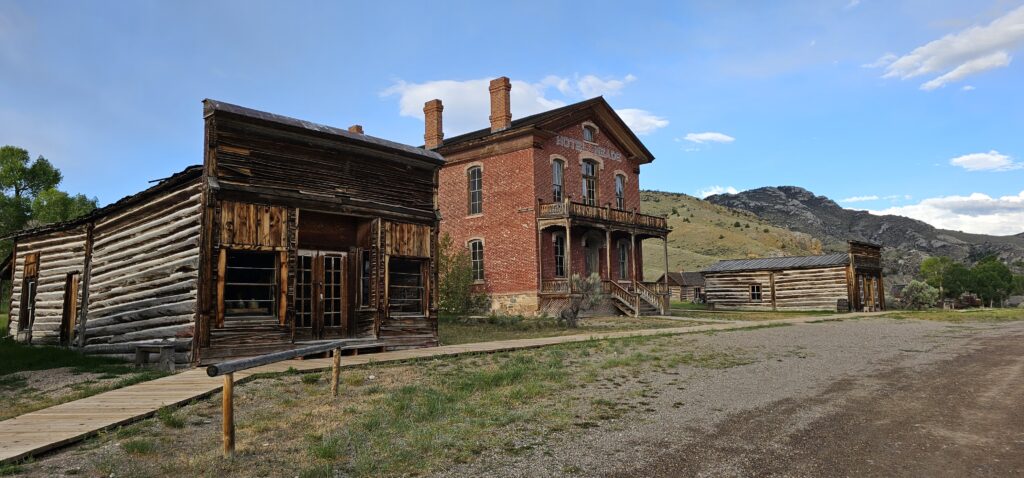
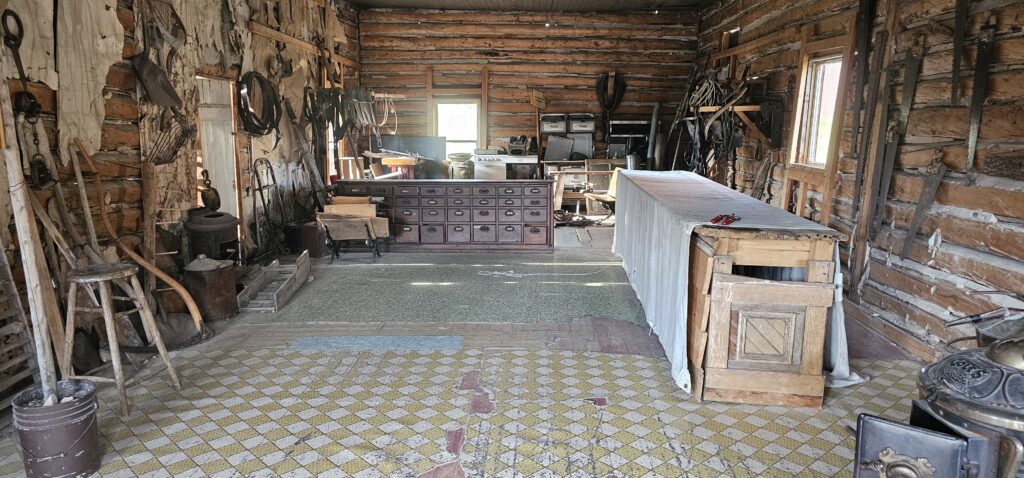
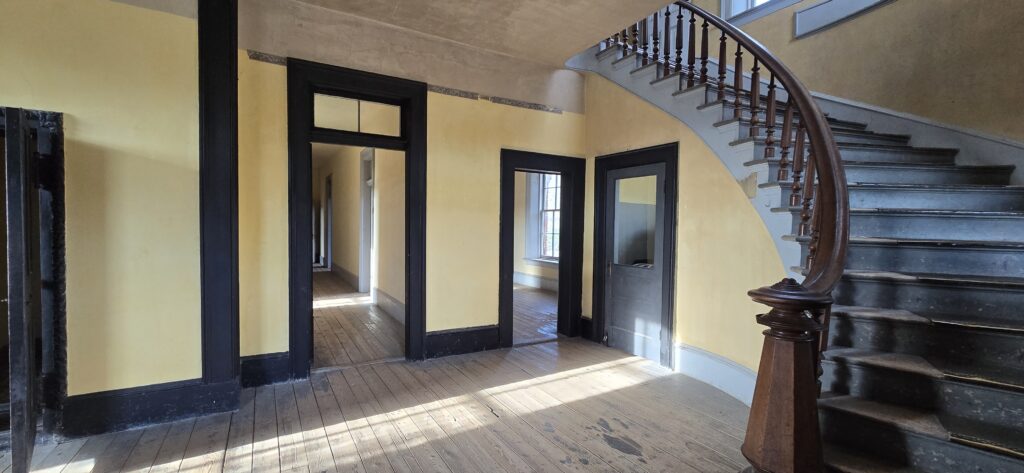
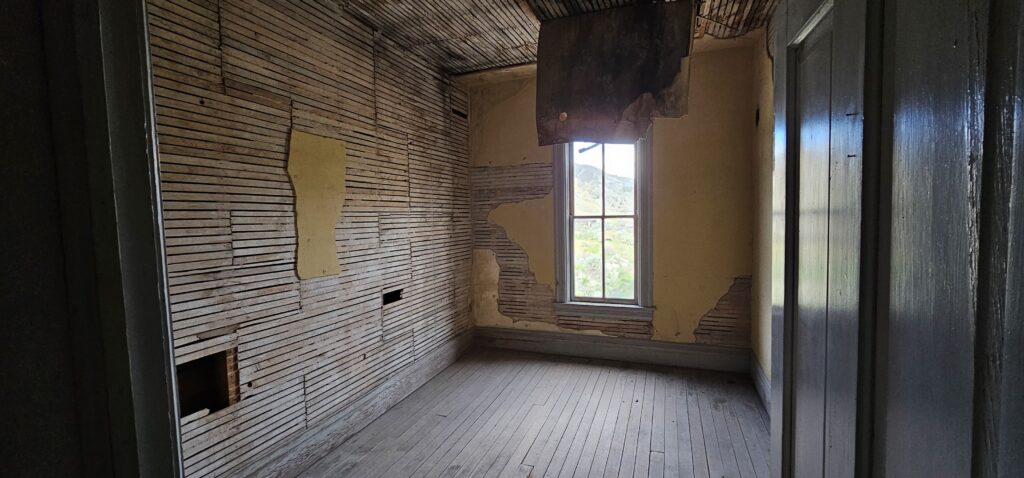
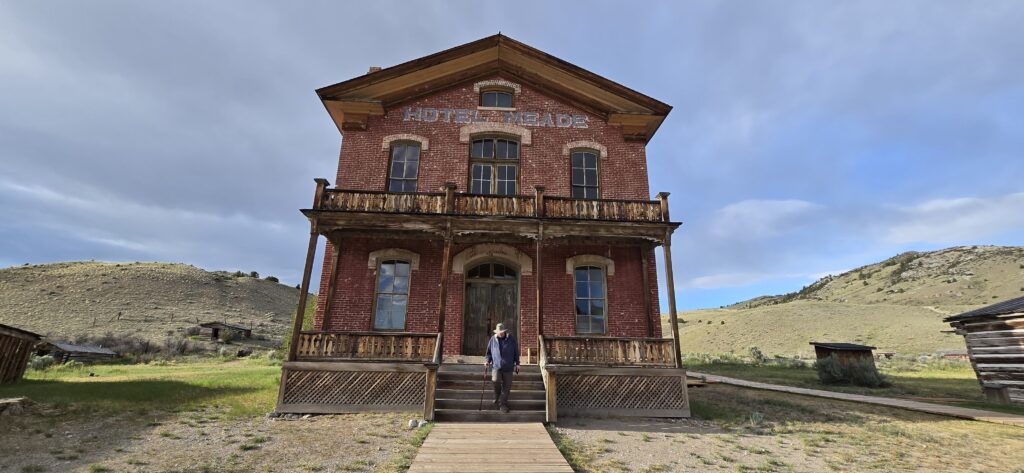
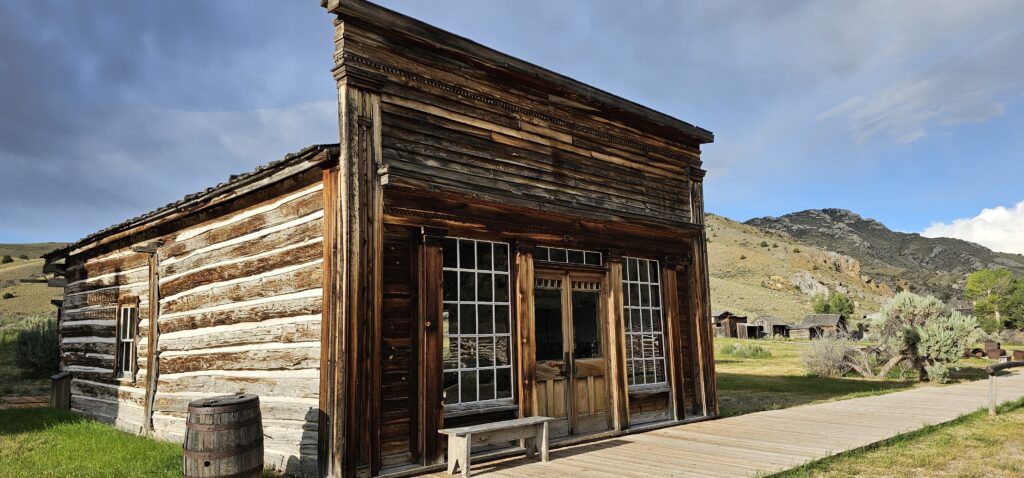
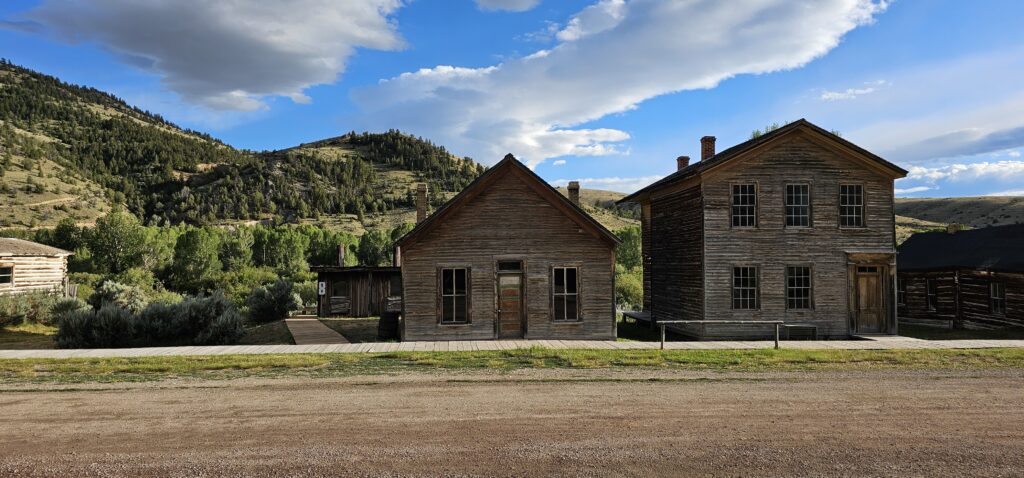
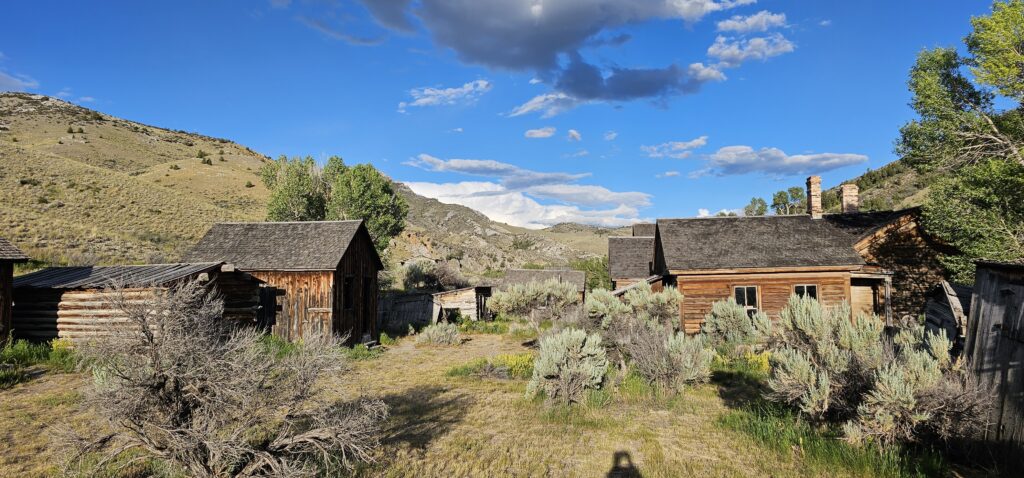
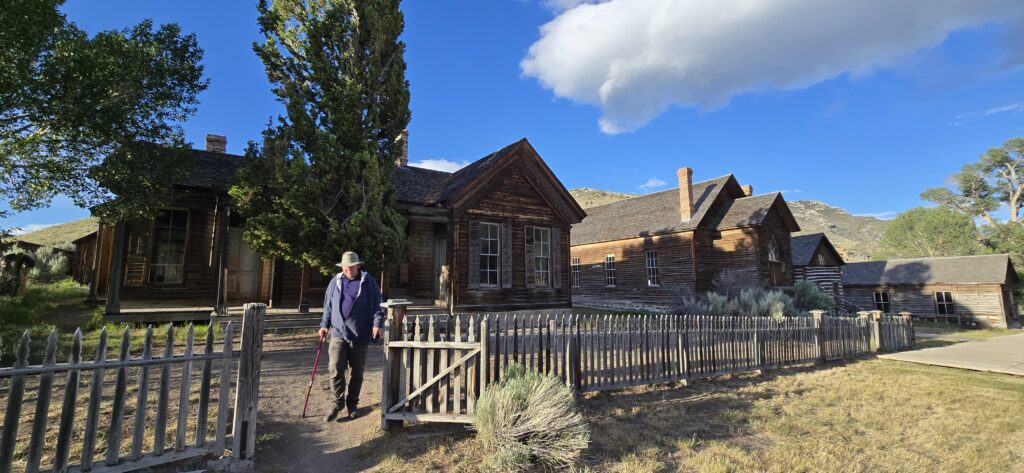
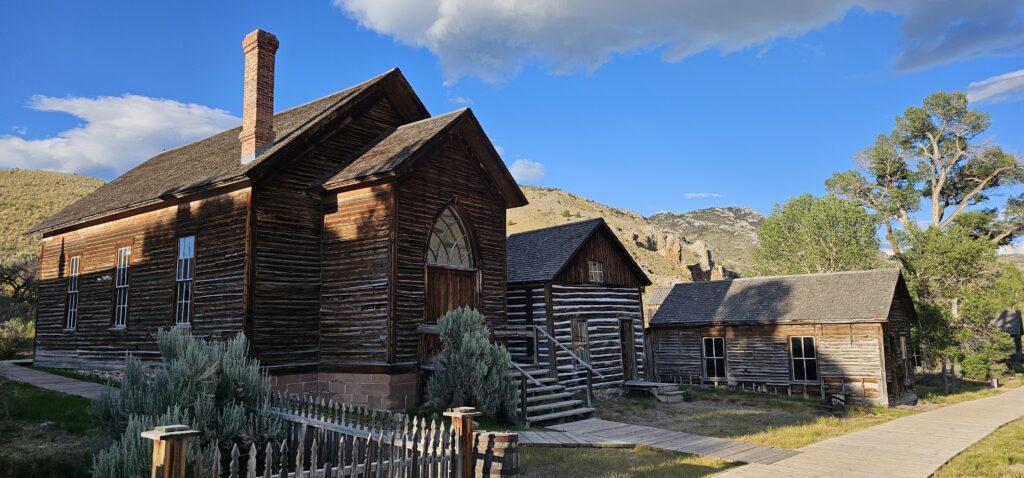
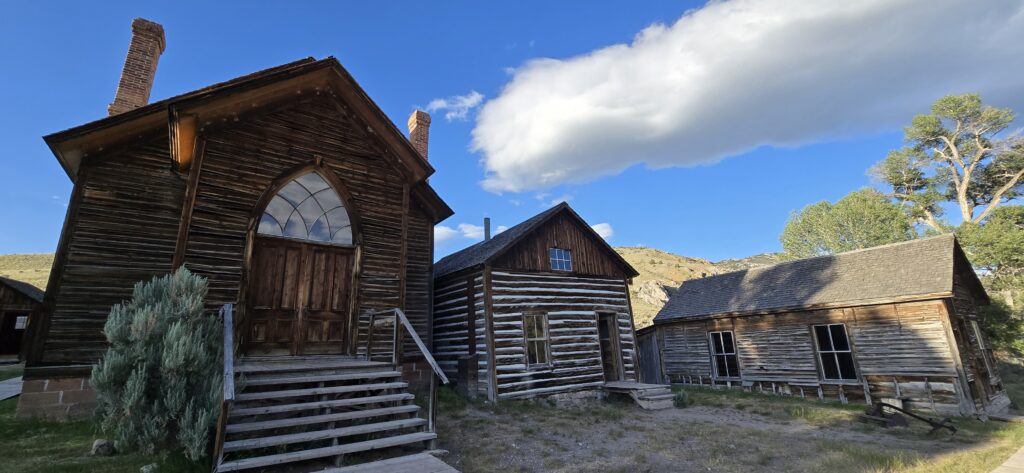
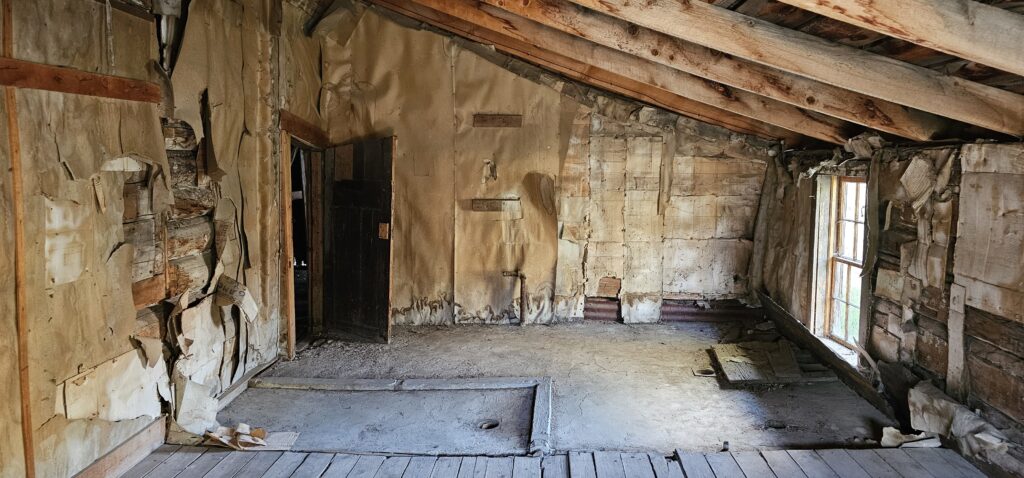
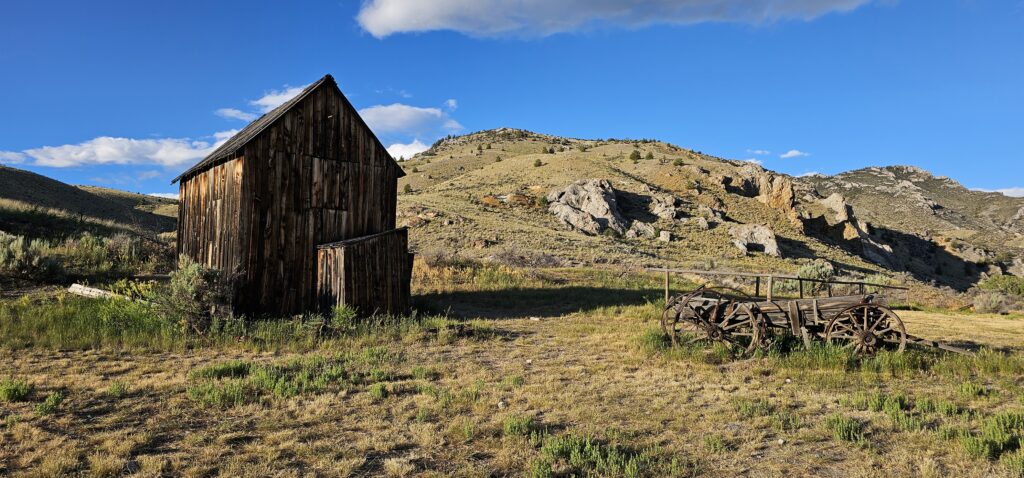
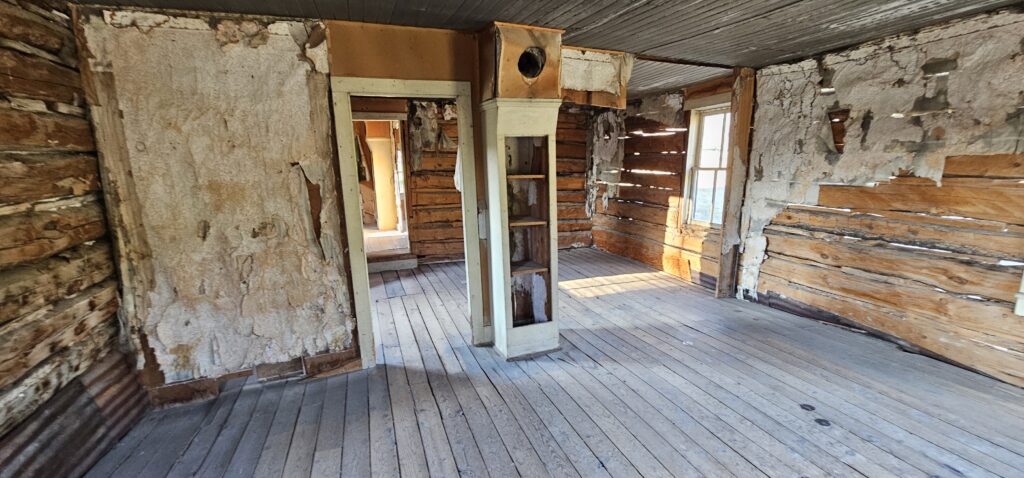
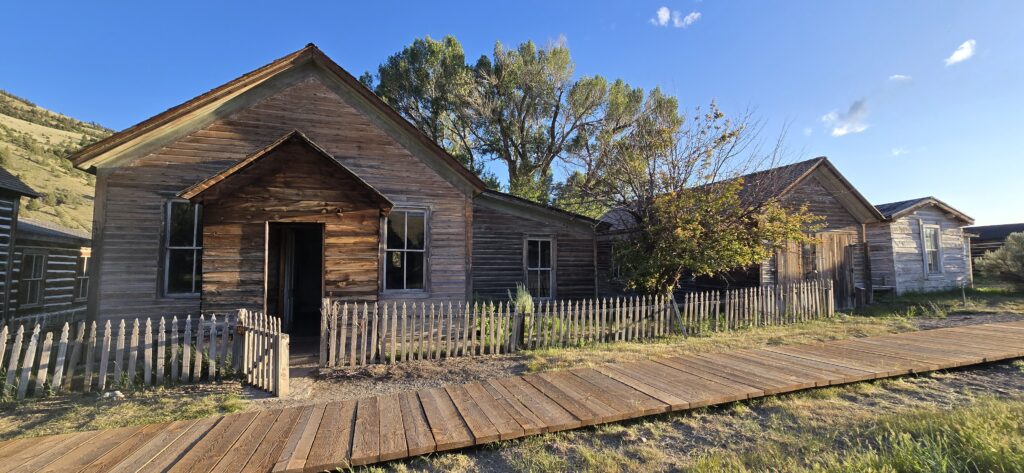
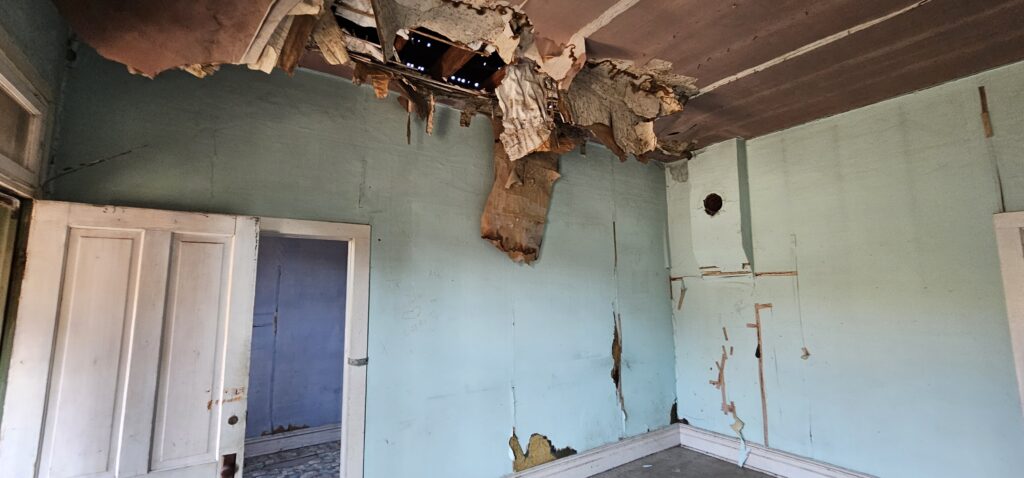
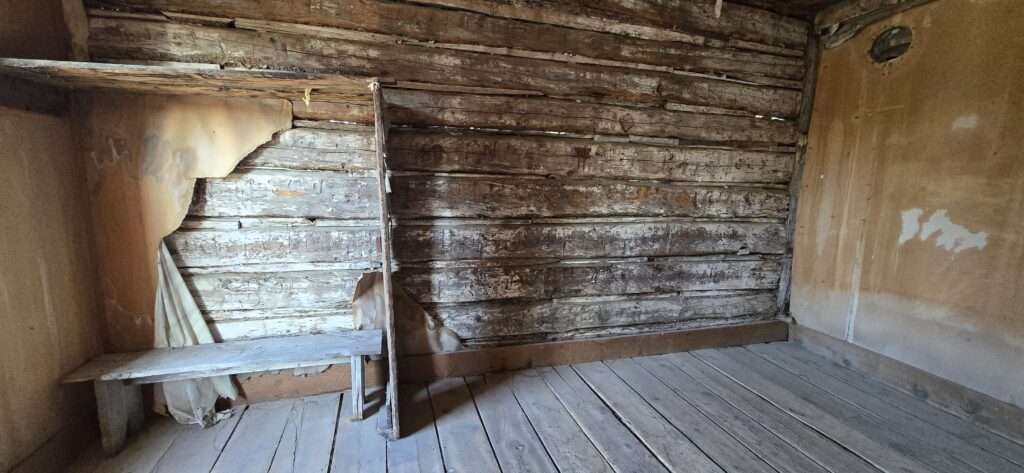
Our impromptu guide told us that as a kid, he would come to Bannack before it became a state park. People would tour the town, and luckily, Bannack was never destroyed by vandals or fire.
We noticed how the building varied in condition. I was surprised that we were allowed in, considering some buildings would have been condemned in any other place. The goal of the state officials is to preserve this place as long as possible while it slowly decays. Our guide, who was more than happy to give us a brief history lesson, told us about “delayed decay.” As long as the roofs, windows and doors are maintained, a building should be able to stand on its own for a very long time.
We politely asked for permission to stay behind and visit the cemetery. We were equally politely denied, and the park official stated that nothing was interesting up there. The best cemetery is one that is outside the park. We would explore that one when we left the park/town the next day.
Bannack was more impressive, in my opinion, than Garnet. Garnet was more haphazardly laid out. That is partly because of the uneven geography of the area, and if all the buildings still stood, it would have been very crowded. Bannack was a planned community with a typical Main Street that formed the backbone of the town. Bannack also served as the capital of Montana when it was still just a territory. The town served a purpose beyond that of a boom town, whereas Garnet ended when the gold ran out. Bannack would have been occupied for much longer and had much more opportunity for history to be made. Fortunately, we grabbed a guide at the entrance, and we were able to learn that this place was really the Wild West a few times over.
Our first true ghost towns was a great experience. We learned about the history of these two places and about some of the people who lived there. We did not see any ghosts, which is a shame because that would have really added to the experience. Each of these towns is quite remote, and considering we had a car and excellent roads, travel in those days must have been laborious and dangerous. We left appreciating the challenges of long ago and were very glad we had a comfortable tent, quality food and an easy mode of travel for our next day’s adventure.
- Check out the ‘All the Places We Have Been‘ map to see where these two locations are and to explore other places we have visited.
- Silent Valley Nature Reserve and St. Michael’s Roman Catholic Church are two places that feature ruins, which I have showcased on this website. We have visited numerous other areas that are now abandoned, and these will (someday) be featured on this site.