
There is a stigma when it comes to mental health. It is remarkable how medical science has been able to learn, understand, and treat various physical conditions. Still, when it came to conditions of the mind, the patient would suffer from being ostracized, or worse, locked up in an insane asylum. It took a long time for science and society to accept that people are not always to be blamed for the problems that affect mental health.
Treatment through the ages for those believed to lack the character to be a regular member of society literally can be described as torture. It was because of their poor moral fabric or some other outrageous reason that a person suffered mentally, and using harsh therapies was the only way to get them better.
Of course, this did not work.
It took a few compassionate and empathetic individuals to begin suggesting that mental health is like physical health; maybe there is a physical problem that can be treated and cured. This thought was the first step toward destigmatization and also in finding treatment options.
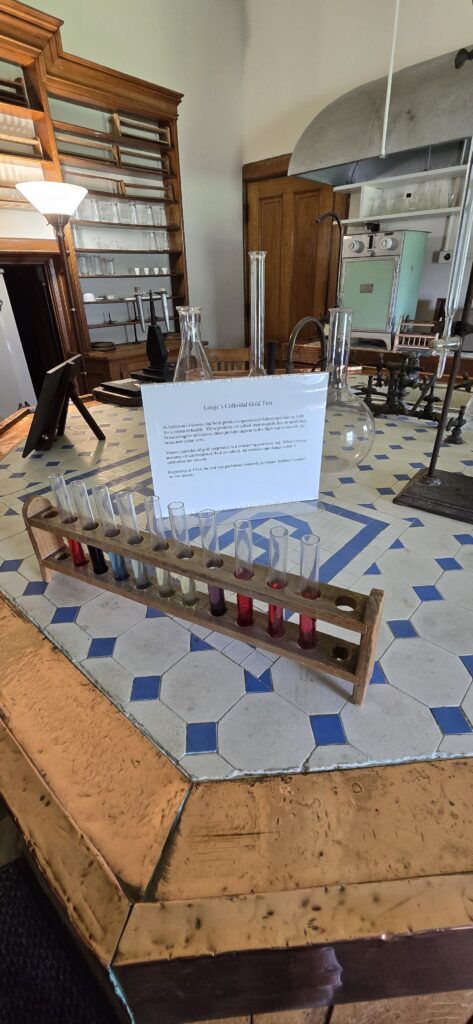

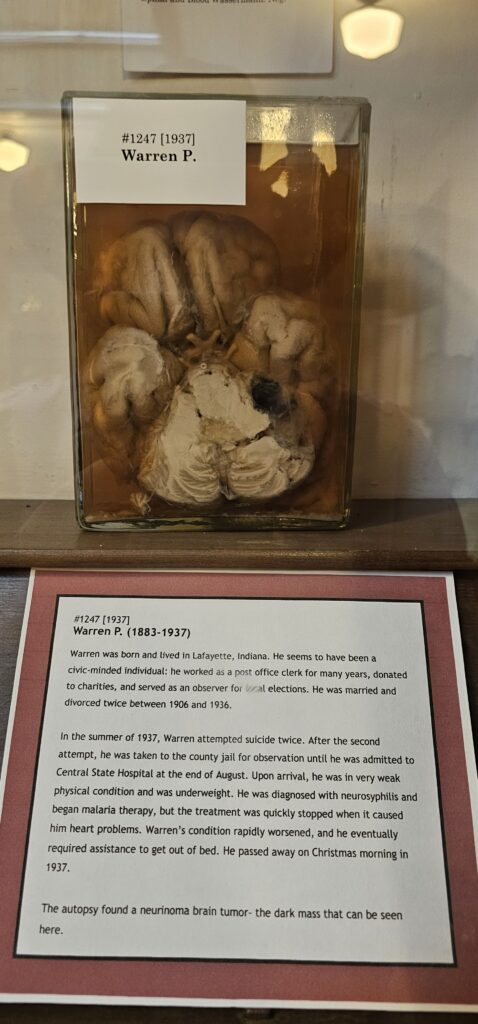
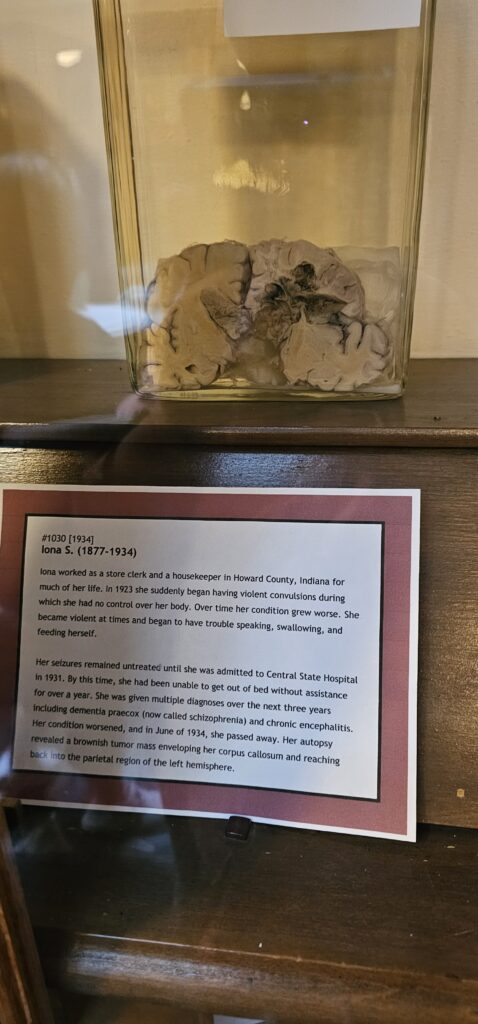
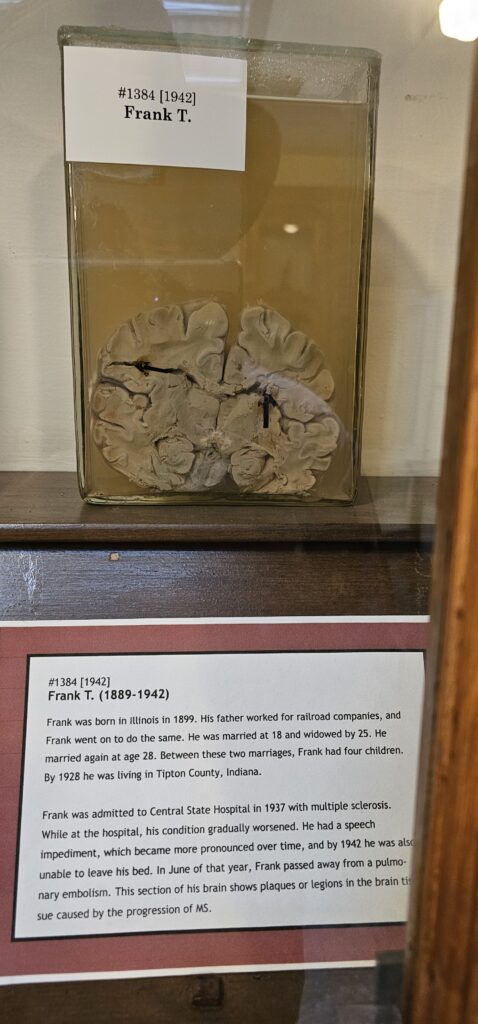
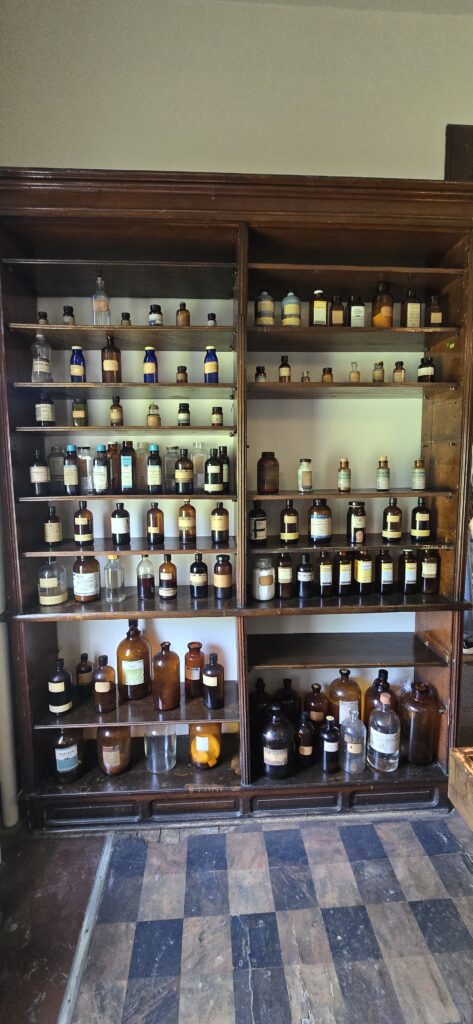
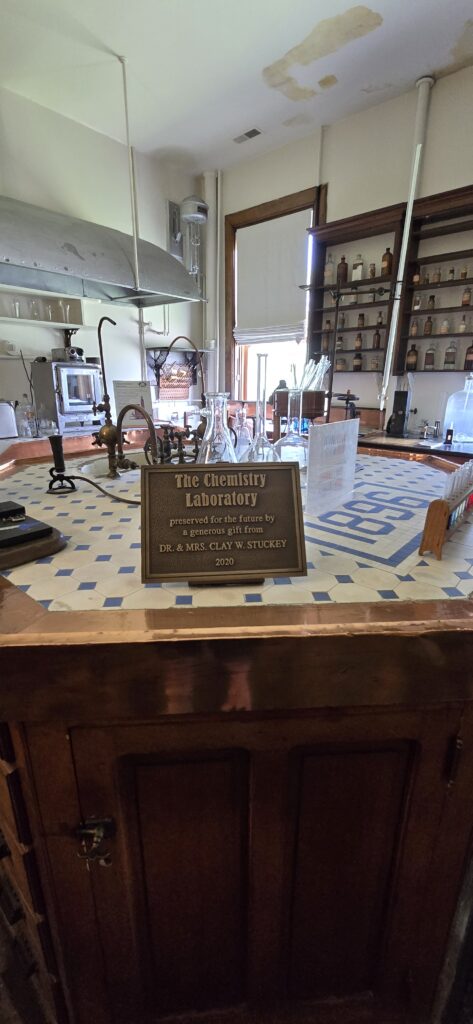
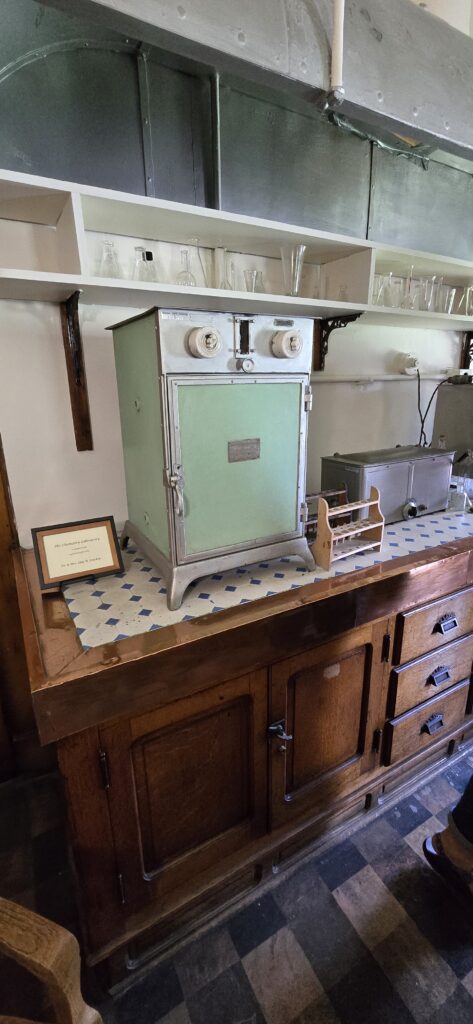
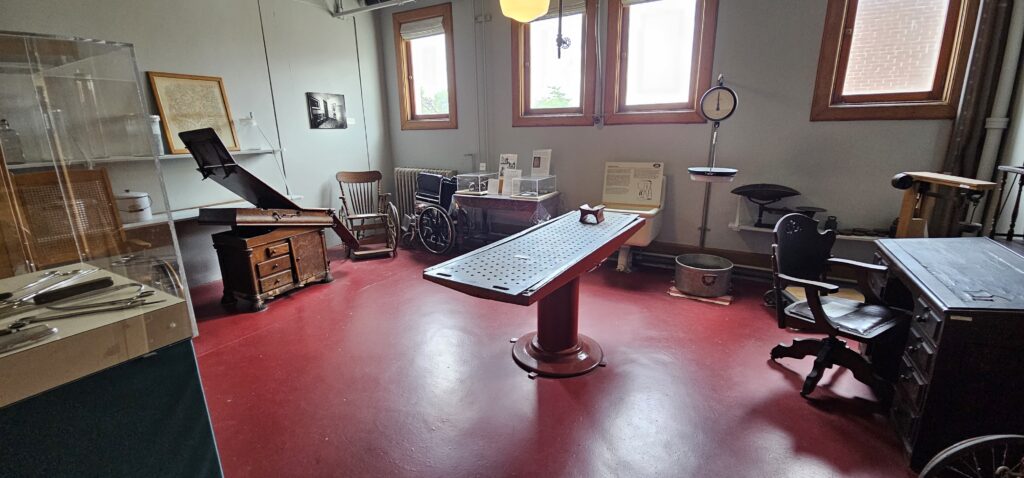
We are on the final full day of our America The Beautiful summer vacation when we arrive at one of the few remaining buildings of a former Central State Hospital in Indianapolis. The significance of the Old Pathology Building lies in its status as the oldest surviving pathology facility in the USA. Opened in 1896, this location saw tremendous advances in the treatment of the mentally ill and went a long way to removing the stigma of mental health.
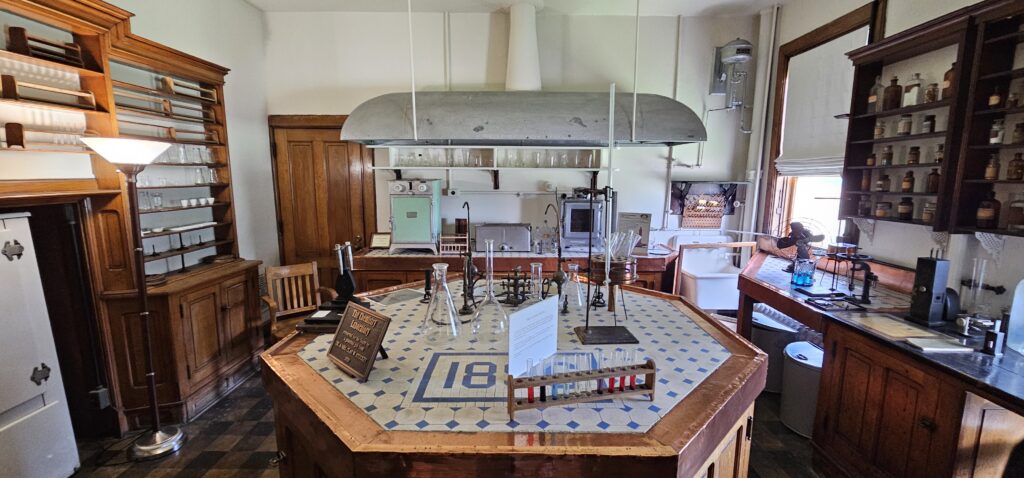
I love history and I love science. I have repeatedly wished that there were a museum dedicated to the history of science. I would love to understand why people long ago believed in one “scientific” principle and the changes that happened that led to a new understanding. Here, at the Indiana Medical History Museum, was my first glimpse of the history of discovery.
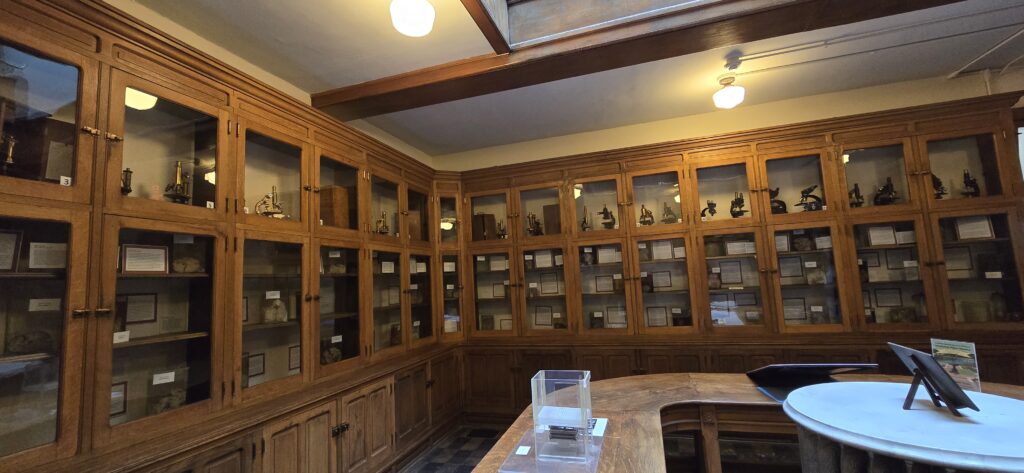
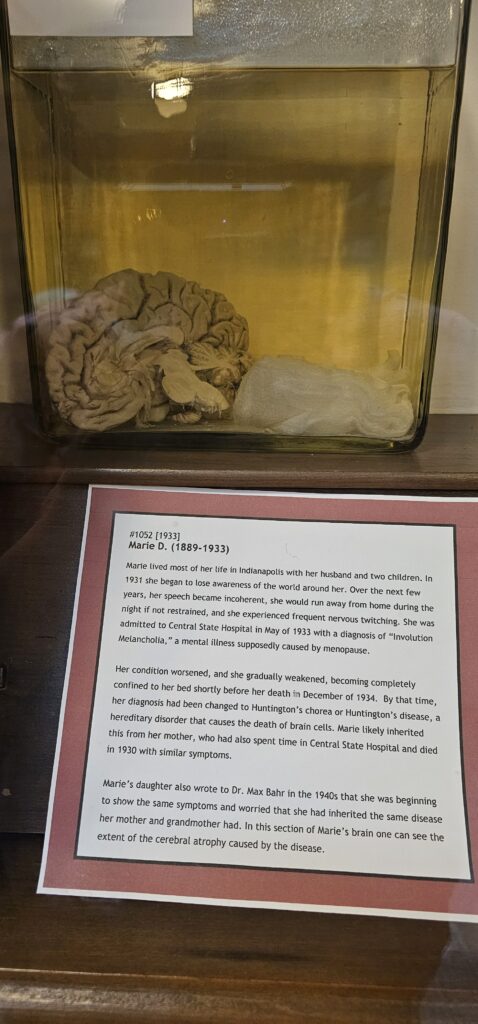
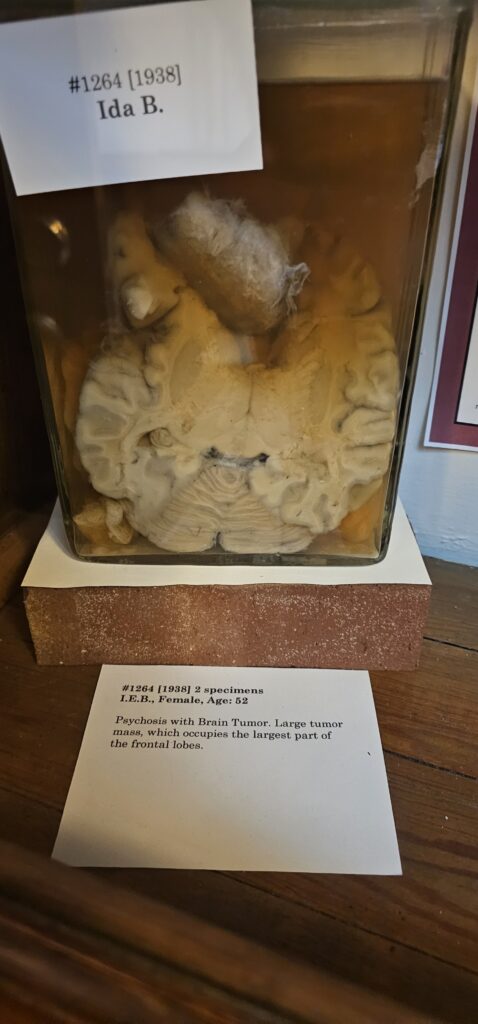
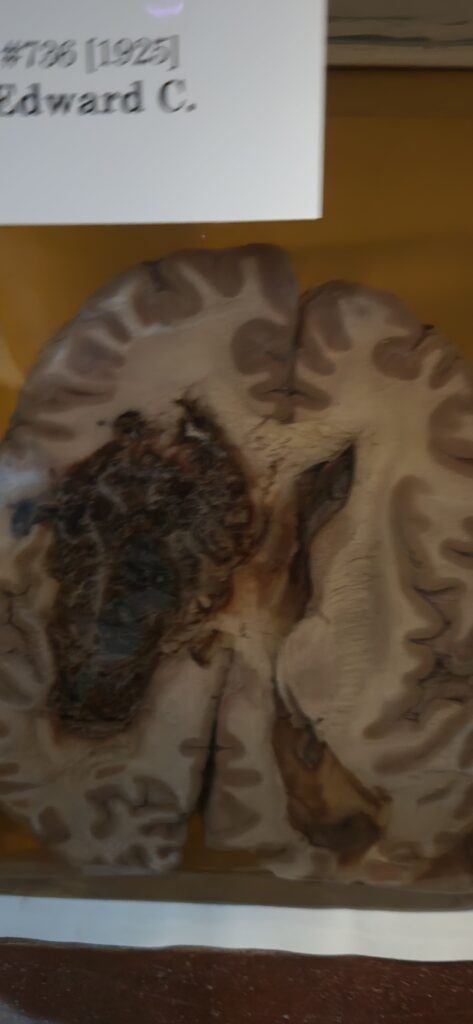
We entered the museum and waited in a specimen room. Here are the actual brains of those with some affliction. There were cancer, stroke and other disease specimens on display. Having never seen diseases in the body, I was still able to notice that there was something wrong in every jar I saw. The people suffered, and this building housed other people who wanted to know why.
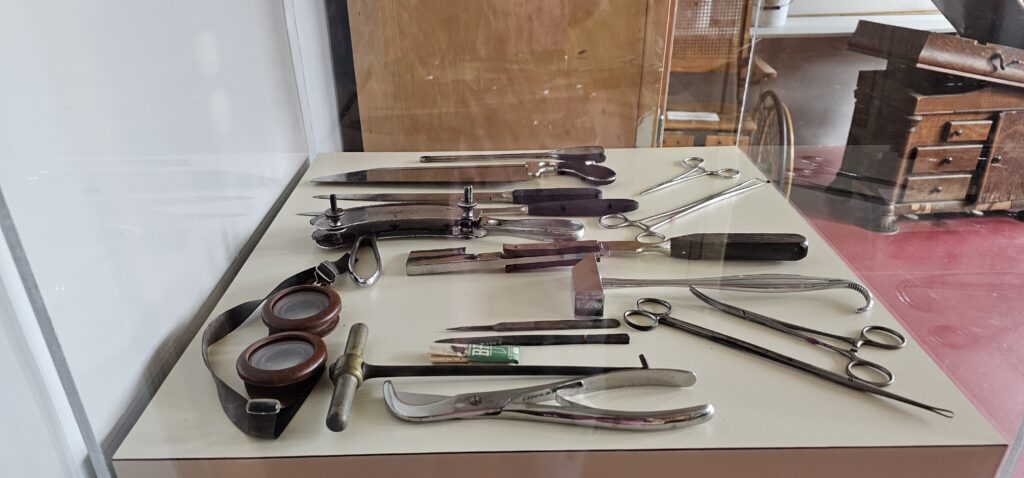
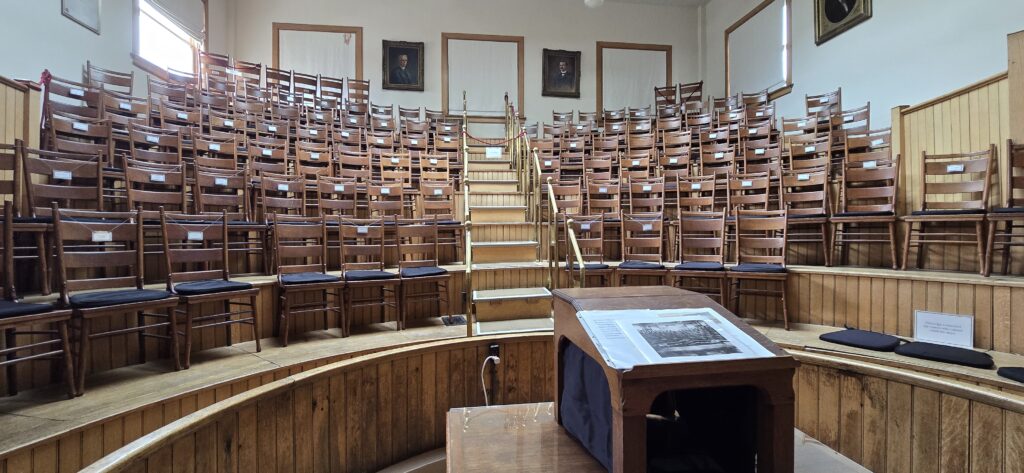
Our guide took us to a historic lecture room, still set up like it was when it first opened. Here were the first steps of learning the “why” behind mental illness. A recently deceased person would be placed on a table and dissected in front of all the onlookers, mainly students and doctors, in an examination of why this person died and why they behaved a certain way.
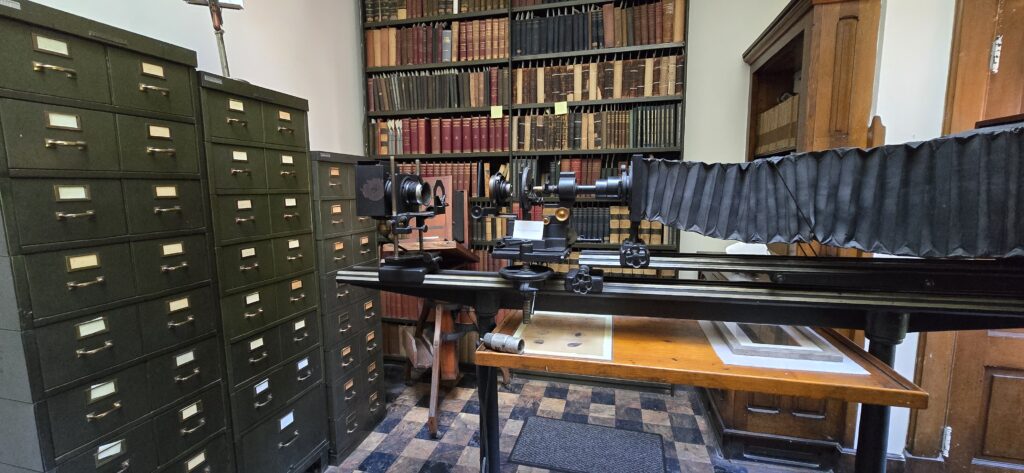
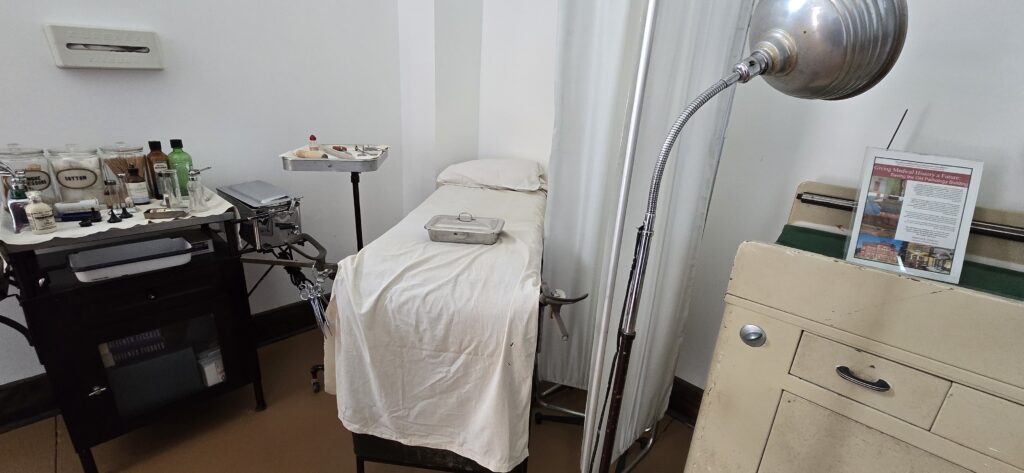
We would tour this small building and learn of the very small discoveries that were made in understanding that people suffered from physical problems, which caused mental health issues, and that it was not from poor character. Although scientists began to understand the causes of certain diseases, they were unable to treat or cure them.
The one thing that became apparent in the tour was just how painfully slow progress was. I left with the impression that it took decades to fully understand. Even when a new understanding of a particular illness emerged, there was little that could be done to treat the sufferer. The only thing really offered to the patient was that what they had was real, and they were not making it up, and that it was not all in their head. A reassurance that would have brought relief to many, but no treatment or cure.
The timeframe between discovering the cause of a particular ailment and finding an effective treatment can be a decade or more. And we all know that there are still many human afflictions that are without any solid means of treatment or cure.
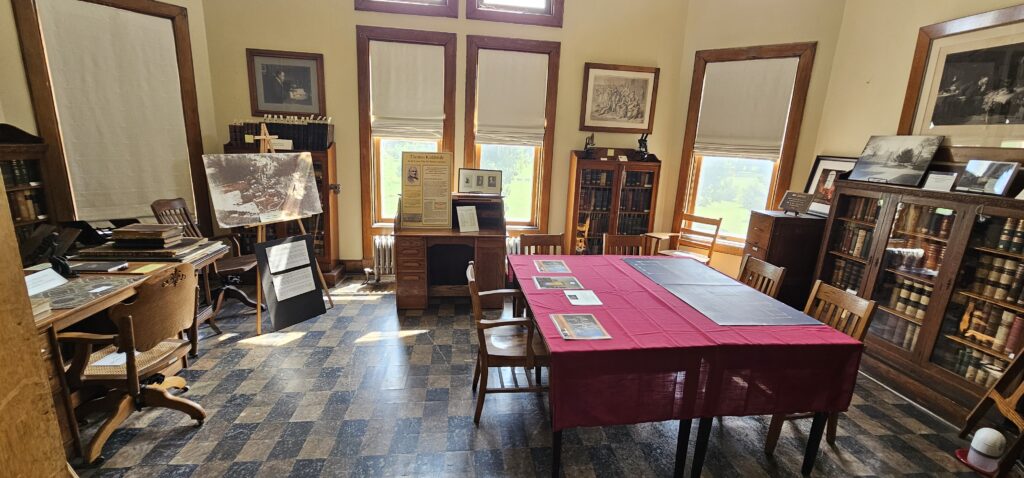
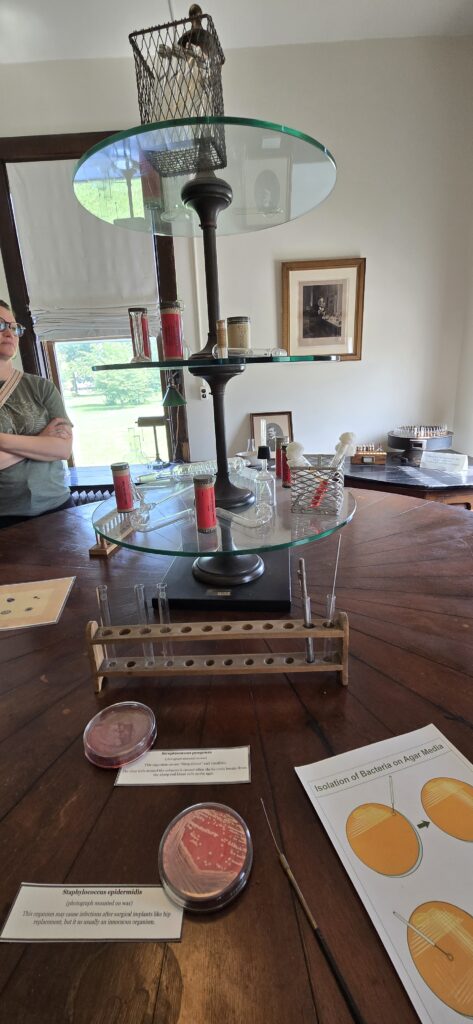
Each room we entered brought us closer to understanding, and we were informed about the technological advances needed to further that understanding even more.
Eventually, with the new understanding of mental illness, some of which was done in the laboratories of this location, and with new treatments that slowly became available, the need to house those “not fit for society” ended. The facility, like so many around the world, transformed into an outpatient setting, and people who would have been cast away, now had the opportunity to lead a productive life.
The stigma still remains when it comes to mental health, but after touring this historic building, it does change one’s perceptions and helps bring a new sense of awareness. I appreciated learning about the thought processes that led to new discoveries and challenged ones that should have never been accepted as the norm. It was a very informative tour.
- Find this location on the All The Places We Have Been Map.
- We have visited a few places that were once mental health facilities/prisons: Haunted Hill View Manor, Trans-Allegheny Lunatic Asylum and more.